
Volvo 11418080 Sensor | Reliable Performance for Demanding Applications
Volvo 11418080 Sensor is a critical component used across a range of Volvo articulated dump trucks and heavy construction equipment. Designed to deliver accurate operating data to machine control systems, this sensor plays an important role in ensuring optimum performance, reliability and efficiency in demanding quarrying, mining, earthmoving and construction environments.
Modern Volvo machines rely heavily on sensors to monitor essential operating parameters and communicate information to the machine’s electronic control units. Without accurate sensor inputs, performance can be affected, fault codes may be triggered and machine productivity can suffer. The Volvo 11418080 Sensor helps maintain the smooth operation of key machine systems by providing the precise data required for effective machine management.
Truckers Plant Parts supplies quality OEM and aftermarket replacement sensors for Volvo construction equipment, helping customers minimise downtime and keep their machines operating at peak performance.
Call: 0114 242 08 08 or Email: [email protected]
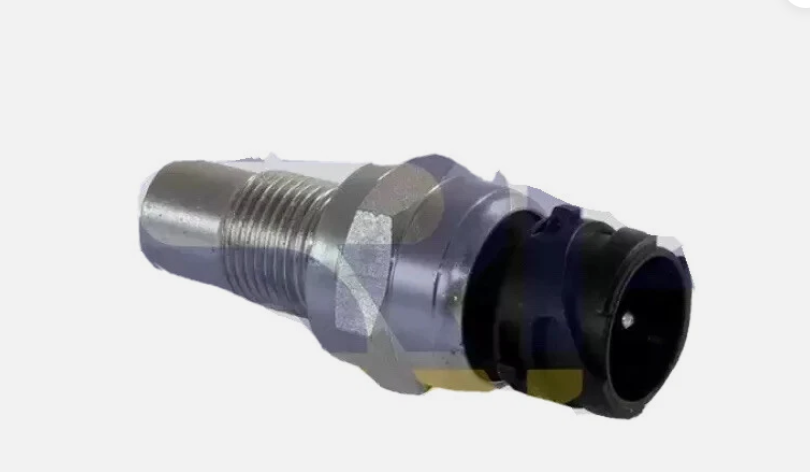
Compatible Volvo Models
The Volvo 11418080 Sensor is commonly used on a range of Volvo articulated haulers including:
- Volvo A25D
- Volvo A25E
- Volvo A25F
- Volvo A30D
- Volvo A30F
- Volvo A35E
- Volvo A40E
These machines are trusted worldwide for their durability, payload capacity and productivity. The sensor forms part of the sophisticated monitoring systems that allow these machines to operate efficiently in some of the world’s toughest working conditions.
Why Sensors Matter in Modern Volvo Equipment
Heavy equipment today is far more advanced than earlier generations of machinery. Electronic monitoring systems continuously collect information from multiple sensors located throughout the machine.
These sensors help monitor:
- Engine performance
- Hydraulic system operation
- Transmission functions
- Cooling systems
- Operating temperatures
- Pressure levels
- Machine safety systems
- Emissions systems
- Drivetrain performance
The Volvo 11418080 Sensor contributes to the accurate monitoring of critical machine functions, allowing operators and machine control systems to make adjustments where necessary and helping prevent costly failures.
Common Symptoms of a Faulty Sensor
Like any electrical component, sensors can eventually fail due to age, vibration, contamination, moisture ingress or physical damage.
Common symptoms may include:
- Warning lights appearing on the dashboard
- Fault codes being logged
- Reduced machine performance
- Irregular operating behaviour
- Intermittent electrical faults
- Poor fuel efficiency
- Unexpected machine shutdowns
- Diagnostic system alerts
Replacing a faulty sensor promptly can often restore normal operation and prevent more serious issues from developing.
Built for Harsh Working Environments
Volvo articulated haulers regularly operate in challenging environments including quarries, mines, construction sites, landfill operations and large-scale earthmoving projects.
Components fitted to these machines must withstand:
- Extreme temperatures
- Heavy vibration
- Dust and debris
- Moisture exposure
- Continuous operation
- Heavy loads
- Rough terrain
The Volvo 11418080 Sensor is engineered to meet these demanding conditions while delivering consistent and reliable performance throughout its service life.
OEM and Aftermarket Replacement Options
Truckers Plant Parts supplies both OEM and high-quality aftermarket replacement parts depending on customer requirements and budgets.
OEM components provide factory specifications and exact fitment, while premium aftermarket alternatives can offer excellent value without compromising reliability.
Every replacement sensor should be selected carefully to ensure compatibility with the specific machine model, serial number and application.
Importance of Correct Diagnostics
Before replacing any sensor, proper diagnostics should always be carried out. Modern Volvo machines feature advanced electronic control systems capable of generating fault codes that help identify the source of problems.
Professional diagnostics can help determine whether the sensor itself is faulty or whether the issue lies elsewhere within the machine’s wiring, connectors or control systems.
Accurate diagnosis helps reduce unnecessary parts replacement and minimises downtime.
Keeping Volvo Articulated Haulers Productive
The Volvo A25D, A25E, A25F, A30D, A30F, A35E and A40E models have earned strong reputations throughout the construction and quarrying industries for their reliability and productivity.
Keeping these machines working efficiently requires regular maintenance and timely replacement of worn or failed components. Small components such as sensors often play a major role in overall machine performance.
Replacing a faulty sensor quickly can help avoid expensive downtime, improve reliability and ensure your Volvo articulated hauler continues operating at maximum efficiency.
Why Buy Volvo Parts from Truckers Plant Parts?
Truckers Plant Parts has been supplying heavy equipment parts since 1995 and understands the importance of fast, reliable parts support.
Customers benefit from:
- Extensive Volvo parts knowledge
- OEM and aftermarket options
- Competitive pricing
- Fast UK and worldwide shipping
- Expert technical assistance
- Quality checked components
- Reliable customer service
- Support for older and current Volvo models
Whether you operate a single machine or manage an entire fleet, Truckers Plant Parts can help source the correct replacement components quickly and efficiently.
Contact Truckers Plant Parts Today
Looking for a Volvo 11418080 Sensor for your Volvo A25D, A25E, A25F, A30D, A30F, A35E or A40E?
Our team can assist with pricing, availability and fitment information to ensure you receive the correct part for your machine.
Truckers Plant Parts
Tel: 0114 242 0808
Email: [email protected]
Contact our parts specialists today for competitive pricing, expert advice and fast delivery on Volvo construction equipment parts.

Identifying a Faulty Volvo 11418080 Sensor
Correctly identifying a failed sensor is important before ordering replacement parts. While warning lights and fault codes can provide useful clues, they do not always confirm that the sensor itself has failed. Wiring damage, connector corrosion, poor earth connections and electronic control module issues can sometimes produce similar symptoms.
Technicians will often begin by visually inspecting the sensor and surrounding harness for signs of physical damage, contamination, corrosion, loose connections or moisture ingress. Heavy equipment operating in quarrying, mining and construction environments can expose electrical components to significant vibration, dust and water which may affect performance over time.
Diagnostic Testing Procedures
Modern Volvo articulated haulers feature sophisticated onboard diagnostic systems capable of monitoring sensor inputs and recording fault information.
Common diagnostic procedures may include:
Electronic fault code retrieval using Volvo diagnostic equipment.
Live data monitoring to verify sensor readings during machine operation.
Voltage testing to confirm correct power supply and signal output.
Resistance testing where applicable.
Connector inspection for corrosion, bent pins or damaged terminals.
Continuity testing of wiring harnesses.
Substitution testing using a known working component.
These procedures help determine whether the sensor is operating correctly or whether another component within the circuit is causing the fault.
Typical Sensor Failure Symptoms
Depending on the specific system being monitored, a failing sensor may produce one or more of the following symptoms:
Engine warning lights.
Transmission warning indicators.
Hydraulic system alerts.
Reduced machine performance.
Loss of power under load.
Erratic gauge readings.
Unexpected fault codes.
Intermittent shutdowns.
Poor fuel economy.
Limp-home operating mode.
Inconsistent machine behaviour.
Starting difficulties.
In many cases symptoms may initially appear intermittently before becoming more frequent as the sensor deteriorates further.
Replacement Considerations
When replacing any sensor, it is important to verify the correct part number against the machine model and serial number. Volvo often introduces engineering updates during production runs and seemingly identical machines can occasionally require different components.
Whenever possible, technicians should inspect connectors, mounting points and associated wiring during replacement. Installing a new sensor without addressing damaged wiring or contaminated connectors may result in recurring faults.
Following installation, fault codes should be cleared and the machine tested to confirm normal operation. Live data monitoring can often be used to verify that the replacement sensor is providing accurate information to the machine’s electronic control systems.
Sensor Fitment and Compatibility
The Volvo 11418080 Sensor is commonly associated with several Volvo articulated hauler models including the A25D, A25E, A25F, A30D, A30F, A35E and A40E. However, fitment should always be confirmed using the machine serial number and original equipment specifications.
Truckers Plant Parts can assist customers in identifying the correct replacement part and confirming compatibility before ordering, helping reduce downtime and ensuring a successful repair.

Volvo 11418080 Sensor Fault Codes and Troubleshooting
Modern Volvo articulated haulers continuously monitor sensor performance through the machine’s electronic control systems. When a sensor reading falls outside expected operating parameters, the system may generate a fault code, warning message or dashboard alert to notify the operator of a potential issue.
While specific fault codes can vary depending on machine model, software version and application, many sensor-related faults generally fall into several common categories.
Open Circuit Faults
An open circuit fault occurs when the electronic control unit can no longer detect a complete electrical path through the sensor circuit. This may be caused by:
Broken wiring.
Damaged connectors.
Loose terminals.
Corrosion.
Internal sensor failure.
Open circuit faults often trigger warning lights and may cause the machine to default to backup operating values in order to protect critical systems.
Short Circuit to Ground Faults
A short-to-ground fault occurs when the signal wire unintentionally contacts the machine chassis or another ground source. This can result in:
Incorrect sensor readings.
Intermittent machine faults.
Erratic system operation.
Repeated fault code generation.
Short circuits are commonly caused by damaged wiring harnesses, crushed cables or worn insulation.
Short Circuit to Voltage Faults
A short-to-voltage condition occurs when the sensor signal receives excessive voltage from another circuit. The machine’s electronic control unit may detect readings that fall outside acceptable operating limits and register a fault.
Potential causes include:
Harness damage.
Connector contamination.
Incorrect repairs.
Electrical component failures.
Sensor Signal Range or Performance Faults
A range or performance fault occurs when the sensor remains operational but provides readings outside expected parameters.
Examples may include:
Temperature readings that appear unrealistic.
Pressure readings that fluctuate excessively.
Values that do not change when operating conditions change.
Signals that respond too slowly.
These faults can sometimes indicate sensor deterioration rather than complete failure.
Intermittent Sensor Faults
Intermittent faults are among the most challenging diagnostic issues because they may only occur under certain operating conditions.
Contributing factors can include:
Machine vibration.
Moisture ingress.
Temperature changes.
Loose electrical connections.
Partially damaged wiring.
Early-stage sensor failure.
Operators may notice warning lights appearing and disappearing without any obvious pattern.
Common Troubleshooting Steps
Before replacing a sensor, technicians should perform a structured troubleshooting process to identify the true source of the fault.
Recommended checks often include:
Retrieving all active and inactive fault codes.
Inspecting wiring harnesses for physical damage.
Checking connectors for corrosion or contamination.
Testing power supply voltage.
Verifying earth continuity.
Inspecting fuse protection circuits.
Monitoring live sensor data.
Comparing readings against known specifications.
Performing continuity tests on suspect wiring.
Testing under operating conditions.
A systematic approach helps prevent unnecessary component replacement and reduces machine downtime.
When to Replace the Volvo 11418080 Sensor
Replacement should generally be considered when:
Diagnostic testing confirms sensor failure.
Internal resistance values fall outside specification.
Physical damage is visible.
Moisture contamination is present.
Repeated fault codes persist after wiring and connector checks.
Sensor outputs are inconsistent or unstable.
The machine continues to experience operational issues linked to the sensor circuit.
Replacing a failing sensor at an early stage can often prevent more significant machine performance problems and help avoid costly downtime.
Professional Parts Identification Support
Because sensor applications can vary between machine models, production years and serial number ranges, correct identification is essential before ordering replacement parts.
Truckers Plant Parts can assist with:
Part number verification.
Serial number identification.
Sensor compatibility checks.
OEM and aftermarket alternatives.
Technical fitment guidance.
Diagnostic assistance where available.
Our experienced parts team can help ensure you receive the correct component first time, reducing downtime and getting your Volvo articulated hauler back to work as quickly as possible.
Call: 0114 242 0808
Email: [email protected]

FAQ: Volvo 11418080 Sensory Identification, Trouble Shooting & Replacement
- What is the Volvo 11418080 Sensor?
The Volvo 11418080 Sensor is an electronic monitoring component used on various Volvo articulated haulers and construction machines to provide operational data to the machine’s control systems.
- What does the Volvo 11418080 Sensor do?
It monitors specific machine parameters and sends data to the electronic control unit to help maintain efficient operation.
- Which Volvo models use the 11418080 Sensor?
Common applications include Volvo A25D, A25E, A25F, A30D, A30F, A35E and A40E models.
- Is the Volvo 11418080 Sensor an OEM part?
It is available as both an OEM Volvo component and as a high-quality aftermarket replacement.
- Why is this sensor important?
Sensors provide critical information that allows machine systems to operate safely and efficiently.
- Can a faulty sensor affect machine performance?
Yes, a failed sensor can lead to reduced performance, warning lights and fault codes.
- What are common symptoms of sensor failure?
Common symptoms include warning lights, fault codes, reduced power and irregular machine behaviour.
- Can a bad sensor cause fault codes?
Yes, faulty sensors frequently trigger diagnostic fault codes.
- Can a faulty sensor cause warning lights?
Yes, dashboard warning lights are one of the most common symptoms.
- Can the machine still operate with a failed sensor?
In some cases yes, but performance may be restricted or the machine may enter limp mode.
- What is limp mode?
Limp mode is a protective operating condition designed to prevent further damage.
- How long do Volvo sensors typically last?
Service life varies depending on operating conditions and maintenance.
- What causes sensor failure?
Age, vibration, moisture, contamination and electrical faults are common causes.
- Can water damage a sensor?
Yes, moisture ingress can damage internal electronic components.
- Can vibration affect sensor reliability?
Yes, continuous vibration can contribute to wear and electrical connection issues.
- Can dirt and dust affect sensor performance?
Yes, contamination can damage connectors and electrical contacts.
- How is sensor failure diagnosed?
Through visual inspection, fault code analysis and electrical testing.
- What diagnostic tools are used?
Volvo diagnostic systems and professional scan tools are commonly used.
- Can a sensor fail intermittently?
Yes, intermittent failures are common in ageing electrical components.
- What is an intermittent fault?
A fault that appears and disappears rather than remaining constant.
- Can damaged wiring mimic sensor failure?
Yes, wiring faults often produce similar symptoms.
- Should wiring be checked before replacement?
Yes, wiring inspection is always recommended.
- Can corroded connectors cause sensor faults?
Yes, corrosion can interrupt signal transmission.
- What is continuity testing?
A method used to check whether electrical circuits remain complete.
- What is voltage testing?
A procedure used to verify proper power supply to the sensor.
- What is resistance testing?
A test used to evaluate internal electrical characteristics.
- Can low voltage affect sensor operation?
Yes, inadequate voltage can cause incorrect readings.
- Can blown fuses cause sensor issues?
Yes, fuse failures can interrupt sensor circuits.
- Can faulty grounds affect sensors?
Yes, poor earth connections can create numerous electrical faults.
- How can technicians identify a bad sensor?
By comparing live data and electrical values against specifications.
- What is live data monitoring?
Viewing sensor outputs in real time using diagnostic equipment.
- What are active fault codes?
Faults currently being detected by the machine.
- What are inactive fault codes?
Historical faults that are not presently active.
- What is an open circuit fault?
A fault caused by a break in the electrical circuit.
- What is a short-to-ground fault?
A fault caused when wiring contacts a ground source.
- What is a short-to-voltage fault?
A fault caused by unwanted voltage entering the circuit.
- Can electrical shorts damage sensors?
Yes, excessive voltage may damage electronic components.
- What is a signal range fault?
A fault indicating readings fall outside expected values.
- What is a performance fault?
A fault indicating readings do not behave as expected.
- Can temperature affect sensor operation?
Yes, extreme temperatures can influence performance.
- Are sensors model specific?
Many are, although some applications overlap.
- Why is serial number verification important?
Different production runs may use different components.
- Can the same model use different sensors?
Yes, depending on year and specification.
- Should part numbers always be checked?
Yes, part number verification helps prevent ordering errors.
- Is fitment guaranteed by machine model alone?
No, serial number confirmation is recommended.
- Can aftermarket sensors be reliable?
Yes, quality aftermarket parts can provide excellent performance.
- Are OEM sensors better?
OEM parts provide original factory specifications.
- Do aftermarket sensors save money?
Often they provide a cost-effective alternative.
- Can incorrect sensors cause faults?
Yes, incompatible sensors may generate errors.
- How is a sensor replaced?
The old component is removed and the replacement installed according to manufacturer procedures.
- Is replacement difficult?
Difficulty varies depending on location and application.
- Can operators replace sensors themselves?
Some can, though professional installation is often recommended.
- Should batteries be isolated before replacement?
Following manufacturer safety procedures is recommended.
- Should connectors be cleaned during replacement?
Yes, clean connections help ensure reliable operation.
- Should damaged wiring be repaired at the same time?
Absolutely.
- Can fault codes remain after replacement?
Yes, codes may require clearing.
- Should machines be tested after installation?
Yes, operational testing is recommended.
- Can new sensors fail immediately?
Rarely, but installation issues can create problems.
- What is connector contamination?
The presence of dirt, oil, water or corrosion within electrical connectors.
- Can oil contamination affect sensor circuits?
Yes, contamination can interfere with electrical connections.
- What industries commonly use these machines?
Construction, quarrying, mining, landfill and earthmoving.
- Why are articulated haulers dependent on sensors?
Modern machine management systems rely on electronic monitoring.
- Can failed sensors reduce productivity?
Yes, machine efficiency may be affected.
- Can sensor faults increase fuel consumption?
In some applications, yes.
- Can warning lights be ignored?
Ignoring warnings may lead to larger issues.
- Can sensors affect transmission operation?
Certain sensors play a role in transmission management.
- Can sensors affect hydraulic systems?
Yes, many hydraulic systems rely on sensor feedback.
- Can sensors affect engine performance?
Yes, engine management systems use sensor inputs.
- Are sensors exposed to harsh conditions?
Yes, construction equipment operates in extreme environments.
- What environmental conditions affect sensors?
Dust, mud, vibration, heat and moisture.
- Can freezing temperatures affect sensors?
Extreme cold may affect electrical performance.
- Can overheating damage sensors?
Excessive heat can shorten component life.
- How often should sensors be inspected?
During routine maintenance and diagnostics.
- What are signs of connector damage?
Broken locks, corrosion and loose terminals.
- Can rodents damage wiring?
Yes, wiring damage occasionally results from animal activity.
- Can machine washing affect sensors?
Improper pressure washing can introduce moisture.
- Are genuine Volvo sensors available?
Yes, OEM replacement parts are available.
- Can older Volvo haulers still obtain replacement sensors?
Yes, many parts remain available.
- What information is needed when ordering?
Machine model, serial number and part number.
- Why provide the serial number?
It helps confirm exact fitment.
- Can Truckers Plant Parts verify compatibility?
Yes, fitment assistance is available.
- Can Truckers Plant Parts supply OEM parts?
Yes, depending on availability.
- Can Truckers Plant Parts supply aftermarket parts?
Yes, quality aftermarket options are available.
- Do Truckers Plant Parts ship throughout the UK?
Yes.
- Do Truckers Plant Parts ship internationally?
Yes, worldwide shipping is available.
- Can urgent orders be accommodated?
Subject to stock and courier availability.
- Can parts be sourced for older Volvo models?
Yes, many older machines remain supported.
- How can downtime be reduced?
Prompt diagnosis and replacement of faulty components.
- Why replace a faulty sensor quickly?
To avoid larger operational issues.
- Can sensor faults worsen over time?
Yes, intermittent faults often become permanent.
- What happens if faults are ignored?
Machine reliability and performance may deteriorate.
- Can sensors affect safety systems?
Some sensors contribute to machine safety functions.
- Are replacement sensors tested?
Quality components are typically tested to meet specifications.
- Can diagnostic reports help identify faults?
Yes, they often pinpoint affected systems.
- Is professional diagnosis recommended?
Yes, especially for complex faults.
- Can one failed sensor trigger multiple symptoms?
Yes, a single fault can affect several systems.
- Can electrical faults be difficult to trace?
Yes, intermittent issues can be challenging.
- Why choose Truckers Plant Parts?
Experience, technical knowledge and extensive Volvo parts support.
- How can I obtain pricing for the Volvo 11418080 Sensor?
Contact Truckers Plant Parts directly with your machine details.
- How do I order a Volvo 11418080 Sensor?
Call 0114 242 0808 or email [email protected] with your model and serial number for assistance.