Used Replacement Car Batteries for Cheap: Your Complete Guide
If you’re searching for used replacement car batteries for cheap, you’ve come to the right place. Whether your vehicle won’t start, your battery is weak in cold weather, or you just want a cost‑effective replacement, buying a used battery can be a smart decision. Used car batteries offer a reliable power source at a fraction of the cost of new ones, and when sourced properly, they can keep your vehicle running for years.
Replacing a car battery doesn’t have to break the bank. New batteries can be expensive, especially for larger vehicles, diesels, or modern cars with high‑demand electrical systems. Used batteries, on the other hand, give budget‑conscious drivers the chance to get back on the road quickly without paying full price. A good used battery, tested and guaranteed by a reputable seller, can provide all the performance you need for everyday driving.
One of the biggest benefits of choosing a cheap used replacement battery is the immediate savings. Prices can be dramatically lower than new units, sometimes costing less than half the price. This makes used batteries especially attractive for older vehicles, daily commuters, or drivers who need a quick, temporary solution while they save for a new one. For people living on a tight budget or managing multiple vehicles, buying used batteries makes financial sense.
However, not all used batteries are created equal. A battery’s life and performance depend on how it was used, how it was stored, and whether it has been tested for capacity and health. Reliable sellers will test used batteries and offer some form of warranty or return policy, so you’re not left with a dud. Always ask about testing procedures and guarantees before buying. A tested battery with a short guarantee is almost always better than an untested one sold at the same price.
When considering a used replacement car battery, it’s important to know what size and type your vehicle requires. Batteries come in different group sizes, capacities, and terminal configurations, and fitting the correct one ensures optimal performance and longer life. Your vehicle’s owner’s manual will list the appropriate battery specifications, or you can consult a mechanic or a battery specialist to help you choose the right unit.
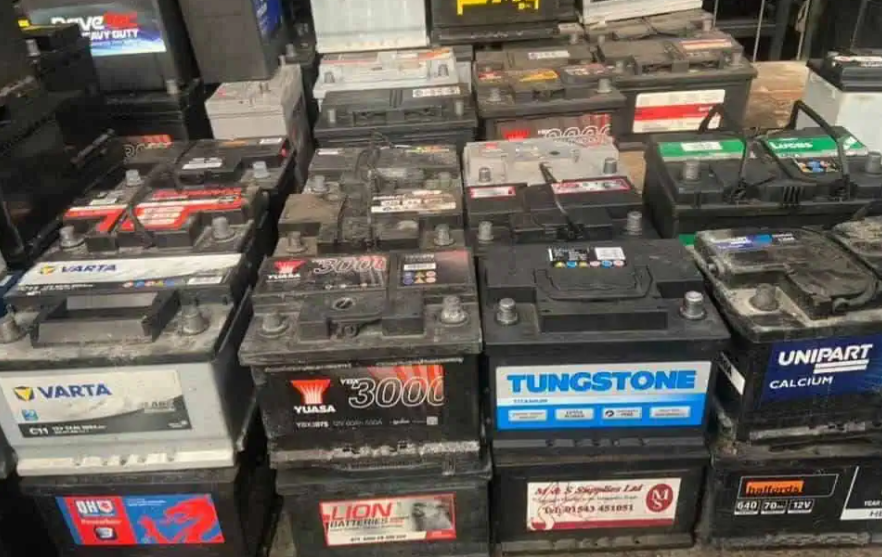
Used replacement batteries are typically sourced from vehicles that have been scrapped or salvaged. When a vehicle is taken off the road, its battery is often removed, tested, and stored for resale if it still has life left. These batteries are then cleaned, recharged, tested for performance, and often sold with a short warranty. Reputable battery suppliers and auto recyclers will not sell a battery that cannot hold a charge or pass essential performance checks.
While cheap used batteries can be a great deal, there are a few trade‑offs to understand. Used batteries may have less remaining life than new ones, and their longevity varies depending on their history. Some will last for many seasons, while others may need replacing sooner. Choosing a reputable seller who tests batteries thoroughly reduces the risk of early failure and gives you confidence that the unit you’re buying is reliable.
Another important factor to consider when looking for used replacement car batteries is how you plan to install it. Some sellers offer installation services, while others expect you to install the battery yourself. Installation is usually straightforward with basic tools, but if you’re not comfortable working on cars, having the battery fitted by a professional ensures correct connection and reduces the risk of electrical issues.
Used replacement batteries are also an environmentally responsible choice. By reusing batteries that still have useful life, you reduce the demand for new battery production and the associated mining and manufacturing impacts. Recycling and reusing automotive batteries helps keep hazardous materials out of landfills and supports a more sustainable automotive ecosystem.
Before purchasing a used battery, it’s worth asking about its age, testing results, and whether it comes with a return period or warranty. Many reputable sellers will give a short guarantee, such as a 30‑day money‑back or exchange policy if the battery fails. These protections make buying used batteries less risky and give peace of mind that you’re getting something that works.
You can find used replacement car batteries from a variety of places, including auto recyclers, scrap yards, online marketplaces, and local battery specialists. Some salvage yards will allow you to test batteries before purchase, while others will sell based on a tested guarantee. Online platforms may offer more selection, but in‑person buying lets you inspect the battery physically and get it immediately.
For drivers who need a battery quickly, local suppliers or scrapyards with on‑site testing are often the best option. Being able to hear the seller explain the battery’s health, past use, and testing results adds confidence. Whether you’re replacing a battery for a family car, a work van, or a classic vehicle, getting the right fit is key to avoid electrical problems or premature failure.
It’s worth noting that some cars, especially newer models with stop‑start systems or high electrical demand, perform better with specific battery types such as AGM (Absorbent Glass Mat) or EFB (Enhanced Flooded Battery). Used options are sometimes available for these types, but availability varies. Confirming your vehicle’s requirements and asking the seller about compatibility will save headaches down the road.
Used replacement car batteries are not just a cheap alternative; they’re a practical solution for many drivers. While they may not last as long as new batteries, their lower price point makes them an excellent choice for temporary use, older vehicles, or for those simply seeking value. With proper testing and a modest warranty, used batteries can be both affordable and dependable.
If your vehicle struggles to start in cold weather, a used battery with good cold cranking amps (CCA) and careful testing is essential. Cold weather can significantly reduce battery performance, so prioritising a tested battery with solid ratings ensures that your car starts reliably year‑round. A reputable seller will test batteries under load to measure performance accurately.
Shopping for cheap used replacement car batteries also means understanding return policies and warranties. Ask sellers how long you have to return or exchange a battery if it fails, and what conditions apply. Batteries sold “as is” without any guarantee may be cheaper upfront but carry more risk. A short but reliable guarantee often provides better value overall.
It’s completely valid to compare the cost of a used battery against a new one. In some cases, the price difference may narrow if the used battery has very limited life left. Evaluate the cost per expected lifespan — if a used battery only lasts a few months, it might make more sense to invest in a new one. However, quality used batteries usually provide significant savings without sacrificing performance.
Many auto recyclers in towns and cities maintain an inventory of tested used batteries. Some even offer online listings where you can search by battery size, vehicle fitment, and performance ratings. This makes it easier to find the right battery without physically visiting multiple locations.
Dealers and mechanics also sometimes sell used batteries taken from trade‑ins or vehicles they have serviced. These batteries are often tested and may have known service histories, adding another layer of confidence. Asking for test results, age, and performance guarantees helps you choose a battery that suits your needs.
Used replacement car batteries are particularly appealing for hobbyists, classic car owners, and drivers of older vehicles. Older cars often have simpler electrical systems that can run perfectly well on a used battery without requiring the latest technology. This keeps ownership costs low while still providing dependable performance.
For vehicles with high electrical demand — such as those with aftermarket sound systems, lighting, or accessories — it’s wise to choose a used battery with higher capacity and good testing results. A poorly performing battery may be cheaper but could fail under load or during overnight drains.
Price negotiating is often possible when buying used batteries. Unlike new batteries with fixed retail prices, used batteries may have some flexibility. Sellers may adjust prices based on testing results, age, and immediate availability. Be polite but confident in asking for the best possible deal, especially if you see similar batteries priced lower elsewhere.
Transportation and handling are additional considerations. Batteries are heavy and contain acid, so they require safe handling. Many sellers provide safe packaging or instructions if you’re picking up a battery yourself. If you’re having it installed by a mechanic, they often handle battery disposal or recycling properly.
Before you buy, it’s worth inspecting the battery physically. Look for corrosion, cracked casing, or heavy wear. While used batteries all have some wear, visible damage can be a red flag. A clean, well‑maintained used battery often indicates responsible previous use and longer remaining life.
Used replacement car batteries can be a budget‑friendly, practical power source when chosen wisely. They provide immediate savings, help reduce waste, and keep vehicles running without high upfront costs. When tested, guaranteed, and installed correctly, a used battery is a reliable solution for many drivers.
Whether you’re dealing with a flat battery, needing a replacement before a long trip, or simply want a cost‑effective option for your older car, used replacement car batteries for cheap can be the answer. Keep in mind the importance of testing, warranty, proper fitment, and understanding your vehicle’s needs to ensure you get the most value and performance.
FAQ: Used Replacement Car Batteries for Cheap
- What exactly is a used replacement car battery?
A used replacement car battery is a pre-owned automotive battery that has been tested and is still capable of holding a charge and powering a vehicle. - How much cheaper are used car batteries compared to new ones?
Used batteries can cost anywhere from 30% to 60% less than new batteries, depending on age, condition, and brand. - Are used car batteries reliable?
Yes, when purchased from reputable suppliers who test and guarantee their batteries, they can be highly reliable. - How long does a typical used battery last?
The lifespan of a used battery varies, but most can last anywhere from six months to a few years depending on previous use and maintenance. - What types of cars can use a used battery?
Most standard petrol and diesel cars can use used batteries. Newer vehicles with stop-start systems may require specific types like AGM or EFB batteries. - How can I test a used battery before buying?
Many suppliers test batteries with a load tester, check voltage, and confirm cold cranking amps to ensure the battery performs well. - Do used batteries come with a warranty?
Reputable sellers often provide short warranties, usually 30 to 90 days, to ensure the battery works properly after purchase. - Can a used battery start a car in cold weather?
Yes, provided the battery has sufficient cold cranking amps (CCA). Testing ensures it will perform in low temperatures. - Where can I find used replacement car batteries?
You can find them at auto recyclers, scrapyards, online marketplaces, battery specialists, and some mechanic shops. - Is it safe to buy a battery online?
It can be safe if the seller provides test results, warranty information, and clear return policies. Always verify the seller’s reputation. - How do I know the right battery for my car?
Check your vehicle’s owner manual for specifications, or consult a mechanic for the correct group size, voltage, and terminal layout. - What is the difference between a new and a used battery?
The main difference is lifespan. New batteries typically last 3–5 years, while used batteries have a shorter remaining life. - Can a used battery handle modern car electronics?
Most standard used batteries are fine for older vehicles. For cars with high electrical demand, check compatibility and CCA ratings. - How are used batteries tested?
They undergo load testing, voltage checks, and sometimes internal resistance measurements to ensure performance. - Are all used batteries recycled?
Many used batteries come from vehicles that have been scrapped or salvaged, so purchasing one supports recycling and reduces waste. - What signs indicate a battery is failing?
Slow engine cranking, dim lights, dashboard warning lights, or corrosion on terminals can indicate a battery is failing. - Can I install a used battery myself?
Yes, if you’re comfortable with basic tools and following safety precautions. Otherwise, a mechanic can handle installation. - Are used batteries environmentally friendly?
Yes, reusing batteries reduces demand for new production and helps prevent hazardous materials from entering landfills. - How do I handle a battery safely?
Wear gloves and eye protection, avoid short circuits, and ensure proper disposal of old batteries. - Can a used battery be recharged?
Yes, most used batteries are fully recharged and tested before being sold. - How much life can I expect from a used battery?
On average, a well-tested used battery can last 6–24 months depending on previous usage and maintenance. - Should I check the manufacturing date of a used battery?
Yes, knowing the age helps estimate remaining lifespan and value. - How do warranties work on used batteries?
Warranties usually cover failure due to defective capacity. They rarely cover physical damage or improper installation. - Can used batteries power hybrid or electric vehicles?
No, hybrid and EVs require specialized high-capacity battery packs not available as cheap used options. - How do I dispose of my old car battery?
Take it to a certified recycling center or auto parts store. Never throw it in the trash due to toxic materials. - Are there risks in buying a used battery?
The main risk is limited lifespan or hidden defects, which is why testing and warranties are important. - How do I read a battery label?
Labels indicate voltage, capacity (Ah), cold cranking amps (CCA), and sometimes manufacturing date or serial number. - Can I return a used battery if it fails immediately?
Depends on the seller. Most reputable suppliers offer a short return period for defective batteries. - What is CCA, and why is it important?
Cold Cranking Amps measure the battery’s ability to start an engine in cold temperatures. Higher CCA is better for cold climates. - How heavy are car batteries?
Most standard car batteries weigh between 10–25 kg, while larger van or truck batteries can weigh 30 kg or more. - Can a used battery leak acid?
If it is damaged or improperly stored, yes. Always inspect for cracks or corrosion before buying. - How do I maintain a used battery?
Keep terminals clean, ensure proper charging, avoid deep discharges, and store in a cool, dry place when not in use. - Can I upgrade to a better battery while using a used one?
Yes, you can gradually replace used batteries with higher-capacity options as needed. - Are there different types of used batteries?
Yes, common types include standard flooded batteries, AGM (Absorbent Glass Mat), and EFB (Enhanced Flooded Battery). - What is the best time to replace a battery?
Before it fails, typically every 3–5 years for new batteries or when used batteries show weak performance. - Can I sell a used battery I no longer need?
Yes, scrap yards and recyclers often buy used batteries for recycling or resale. - How can I compare prices for used batteries?
Check online listings, local recyclers, and battery specialists, comparing age, warranty, and CCA ratings. - Will my car warranty be affected by using a used battery?
Generally no, but check your vehicle’s warranty terms regarding non-OEM parts. - Are used batteries good for temporary use?
Absolutely, they’re excellent for short-term solutions, emergency replacements, or budget-conscious drivers. - Can a used battery handle long trips?
Yes, if it passes testing and has adequate charge and capacity. It’s wise to check performance before a long journey. - Should I recharge a used battery before installation?
Most sellers provide fully charged batteries, but confirming the charge before installing can prevent issues. - How does a used battery affect vehicle performance?
A healthy used battery performs like a new one in starting, lighting, and running electronics. Poorly performing batteries can cause dim lights, slow cranking, or warning lights. - How do I choose between different used batteries?
Compare age, CCA, capacity, warranty, brand reputation, and testing results to choose the best value. - Are there any legal restrictions on selling used batteries?
Some regions require proper testing, labeling, or recycling compliance. Always buy from a legitimate supplier. - Why buy used instead of new?
Cost savings, environmental benefits, and immediate availability make used batteries a practical and sustainable choice. - Can I use a used battery in a commercial vehicle?
Yes, if the battery has sufficient capacity and is compatible with your vehicle’s electrical system. - How often should I check a used battery?
Regularly inspect for corrosion, charge level, and performance, especially in extreme temperatures. - Can used batteries be revived?
Sometimes, a weak battery can be recharged or desulfated, but testing is essential to ensure viability. - What tools do I need to install a used battery?
Typically a wrench or socket set to disconnect and reconnect terminals, and gloves for safety. - Where can I learn more about used batteries?
Auto recyclers, battery suppliers, mechanic shops, and online forums provide resources, tips, and testing guides for used batteries.