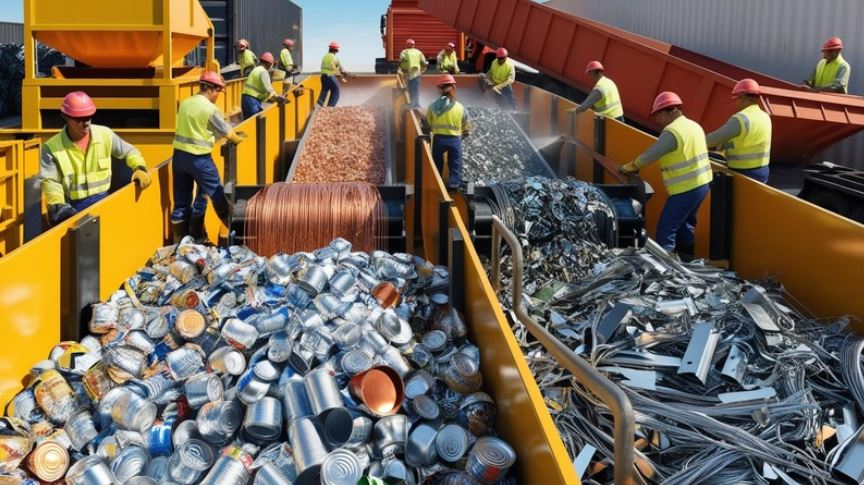
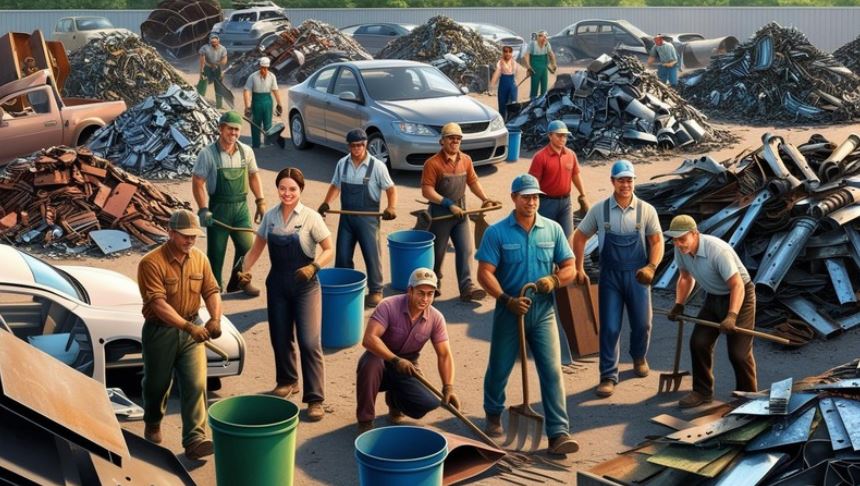
Scrap consists of recyclable materials, most commonly metals, that are discarded as residuals from manufacturing processes or as obsolete components from products that have reached the end of their useful life. These materials originate from a wide range of sources, including vehicle dismantling, demolished buildings, industrial fabrication offcuts, and worn consumer goods. Rather than being treated as waste, scrap retains economic value because its constituent materials can be recovered and reused, allowing manufacturers to bypass the more energy-intensive stages of primary extraction and refining. As a result, scrap recycling has become a core component of modern industrial supply chains, particularly in steelmaking and non-ferrous metal production, while also playing a significant role in conserving natural resources and reducing landfill burdens.
At its core, scrap refers to materials that are no longer suitable for their original purpose but remain valuable due to their chemical composition. The majority of scrap generated globally is metallic, reflecting the durability of metals and their ability to be repeatedly melted and reformed with minimal loss of properties. Scrap is commonly divided into two broad origin categories: prompt scrap and obsolete scrap. Prompt scrap arises directly from industrial activity, such as trimmings, cuttings, and rejects generated during metal forming, machining, or stamping processes. Because it is typically clean, homogeneous, and traceable to known alloys, prompt scrap commands high value and is easily reintegrated into manufacturing. Obsolete scrap, by contrast, comes from end-of-life products such as cars, appliances, machinery, and structural steel from demolished buildings. This material is more heterogeneous and often contaminated with coatings, fasteners, or non-metallic components, requiring extensive processing before reuse.
The composition of scrap is dominated by metals, which are generally classified into ferrous and non-ferrous categories based on iron content and magnetic properties. Ferrous scrap, consisting primarily of iron and steel, represents the largest share of recycled material by weight. It includes carbon steels, alloy steels, stainless steels, and cast irons derived from sources such as shredded automobiles, reinforcing bars, pipelines, and structural beams. These materials typically contain a very high proportion of iron, with carbon and alloying elements such as chromium, nickel, or manganese present in controlled amounts. Because of its abundance and suitability for bulk melting, ferrous scrap underpins the global steel recycling system and supplies a substantial portion of feedstock for electric arc furnaces.
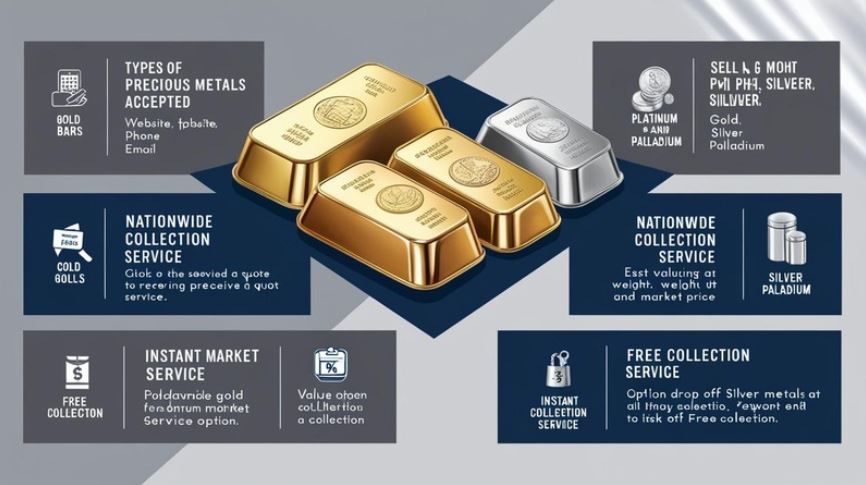
Non-ferrous scrap lacks significant iron content and does not exhibit magnetic behavior. Although it accounts for a smaller share of total scrap tonnage, it is often more valuable due to the intrinsic worth of the metals involved. Aluminum scrap originates from beverage cans, window frames, automotive components, and aerospace parts, and after refining can approach near-primary purity. Copper scrap, sourced from electrical wiring, plumbing tubing, and industrial equipment, is particularly prized for its conductivity and can be refined to extremely high purity levels. Brass, bronze, lead, zinc, nickel, and titanium alloys also circulate widely in scrap markets, each with specific handling and processing requirements. In addition, small but economically significant streams of precious metal scrap are recovered from electronic components, catalysts, and jewelry, yielding gold, silver, platinum, and palladium, even though these represent a tiny fraction of overall volume.
One of the defining characteristics of scrap is variability. Unlike virgin raw materials, scrap reflects the specifications of the products from which it originates, and when different sources are mixed, alloy compositions can degrade. Stainless steel scrap, for example, may combine chromium-nickel austenitic grades with chromium-only ferritic grades, requiring careful separation to ensure consistent melt chemistry. Contaminants such as paint, oils, plastics, rubber, and glass are frequently present, particularly in obsolete scrap. These impurities typically account for a small percentage by weight but can significantly affect melting efficiency and final product quality. Modern scrap processing therefore relies on shredding, magnetic separation, eddy current systems, sensor-based sorting, and spectrometric analysis to remove non-metallic materials and to verify elemental composition prior to remelting.
Classification systems have evolved to manage this complexity and facilitate trade. Scrap is graded according to chemical composition, physical form, thickness, and cleanliness. Ferrous scrap is categorized into grades such as heavy melting steel, shredded scrap, and plate and structural material, each defined by size limits, thickness, and allowable contamination. Higher grades, which are thicker and cleaner, are preferred by steel producers because they reduce energy consumption and refining costs. Non-ferrous scrap is similarly subdivided into detailed grades that reflect purity and source, such as uncoated copper wire, mixed aluminum clippings, or shredded mixed metals. These distinctions allow buyers and sellers to align material characteristics with specific metallurgical requirements, ensuring predictable performance during recycling.
While metals dominate discussions of scrap, the concept also extends to non-metallic materials. Plastics, paper, and glass are routinely classified as scrap within broader recycling systems, although they are typically segregated early to prevent contamination of metal streams. Plastics are sorted by polymer type, while paper is graded by fiber quality. Electronic scrap occupies a hybrid space, containing both metals and non-metallics, and often includes hazardous substances that require regulated handling. Circuit boards and electronic assemblies are particularly important due to their high concentrations of copper and precious metals, making them a growing focus of advanced recycling technologies.
The practice of recycling scrap is deeply rooted in human history. Archaeological evidence indicates that metal recycling dates back to the Bronze Age, when artisans routinely remelted broken tools, weapons, and ornaments made from copper-tin alloys. The scarcity and value of metal ores made reuse economically essential. This practice continued into the Iron Age, where iron objects were reforged and remelted using bloomery furnaces and forge welding techniques. Sites across the ancient world reveal slag and residues consistent with systematic reuse of ferrous materials, underscoring recycling as a practical response to limited resources.
In classical antiquity, scrap recycling became increasingly organized, particularly during periods of military expansion or resource shortage. Ancient civilizations such as Rome collected bronze and iron objects, melting down coins, statues, and household items to supply arms and infrastructure. Written records and archaeological finds demonstrate that recycling was often driven by necessity, as mining and smelting were labor-intensive and geographically constrained. Religious and historical texts from the era also allude to the repurposing of metals in times of crisis, highlighting the long-standing economic logic of scrap reuse.
During the medieval period, recycling practices were largely localized. Blacksmiths played a central role, gathering damaged tools, armor, and domestic items and reforging them into new products. Wrought iron production frequently incorporated significant amounts of recycled material, compensating for the inefficiencies of early smelting methods. Scrap iron circulated within regional trade networks, transported as bars or fragments for remelting. Analyses of surviving artifacts reveal chemical signatures consistent with recycled sources, indicating that reuse was not incidental but integral to pre-modern metallurgy.
The Industrial Revolution marked a turning point in the scale and organization of scrap recycling. Rapid industrialization and urban growth generated unprecedented quantities of metal waste from factories, railways, ships, and buildings. At the same time, soaring demand for iron and steel encouraged producers to seek cost-effective alternatives to virgin ore. Scrap increasingly became a recognized industrial input, valued for its lower energy requirements and immediate availability. By the late nineteenth century, major steel producers routinely incorporated scrap into their furnaces, laying the foundation for modern recycling industries.
Global conflicts in the twentieth century further accelerated scrap utilization. During both world wars, governments organized large-scale scrap drives, mobilizing households and industries to collect metal for weapons, vehicles, and infrastructure. These campaigns demonstrated the strategic importance of scrap as a resource and spurred the development of dedicated scrap yards and processing facilities. In the postwar period, technological advances and the spread of electric arc furnaces transformed steelmaking, enabling the production of new steel almost entirely from recycled material.
In recent decades, the scrap sector has expanded in response to environmental concerns, regulatory pressures, and globalized trade. Recycling scrap metals requires significantly less energy than producing metals from ore, resulting in substantial reductions in greenhouse gas emissions. As sustainability has become a central policy objective, scrap has emerged as a critical component of circular economy models. International trade in scrap materials has grown alongside industrialization in developing economies, while advances in automation, sorting technologies, and analytical methods have improved efficiency and material recovery rates.
Today, scrap recycling represents a vast global industry, supplying a significant share of raw material demand for steel, aluminum, copper, and other metals. Its economic dynamics are shaped by commodity price fluctuations, industrial cycles, and geopolitical factors. Rising metal prices have also brought challenges, including increased theft of infrastructure components such as copper wiring, which imposes costs on public utilities and communities. Despite these issues, scrap remains indispensable to modern industry, balancing economic value with environmental benefit. From ancient forges to advanced recycling plants, scrap has consistently bridged scarcity and demand, demonstrating the enduring importance of reuse in human technological development.
FAQ:
Scrap: Recycling, Classification, and Industrial Significance
- What is scrap?
Scrap refers to discarded materials, most commonly metals, that retain economic value because they can be recovered, processed, and reused in new manufacturing rather than disposed of as waste. - What are the main sources of scrap?
Scrap originates from manufacturing offcuts, construction and demolition debris, end-of-life vehicles, appliances, industrial equipment, and consumer products that are no longer usable. - What is prompt scrap?
Prompt scrap is material generated directly during manufacturing processes, such as metal trimmings, cuttings, and rejected parts, and is usually clean and homogeneous. - What is obsolete scrap?
Obsolete scrap comes from products that have reached the end of their service life, including cars, buildings, machinery, and household goods. - Why is scrap valuable?
Scrap is valuable because it contains recoverable materials, especially metals, that can be recycled using far less energy than producing metals from raw ore. - What is ferrous scrap?
Ferrous scrap contains iron and steel and is magnetic, making it the most abundant type of scrap by volume worldwide. - What is non-ferrous scrap?
Non-ferrous scrap does not contain significant iron and includes metals such as aluminum, copper, brass, lead, zinc, and nickel. - Why is non-ferrous scrap often more expensive?
Non-ferrous metals are generally scarcer, have higher intrinsic value, and offer desirable properties like corrosion resistance and conductivity. - How is scrap classified?
Scrap is classified by chemical composition, physical form, thickness, cleanliness, and allowable contamination to ensure consistent quality in recycling. - What is heavy melting steel scrap?
Heavy melting steel scrap consists of thick, dense steel pieces suitable for efficient melting in steel furnaces. - What is shredded scrap?
Shredded scrap is processed through industrial shredders to create uniform particle sizes for easier separation and melting. - How is aluminum scrap recycled?
Aluminum scrap is sorted, cleaned, melted, and cast into ingots or billets, retaining nearly all its original properties. - How is copper scrap processed?
Copper scrap is stripped, sorted by purity, melted, and refined, often reaching very high levels of electrical-grade purity. - What contaminants are found in scrap?
Common contaminants include paint, oils, plastics, rubber, dirt, and other non-metallic materials attached to or mixed with scrap. - How are contaminants removed?
Processing methods include shredding, magnetic separation, eddy current separation, air classification, and sensor-based sorting. - Can scrap be recycled indefinitely?
Many metals, such as steel and aluminum, can be recycled repeatedly with minimal loss of quality if properly sorted and processed. - What role does scrap play in steelmaking?
Scrap supplies a large share of feedstock for electric arc furnaces, reducing reliance on iron ore and lowering energy use. - What is electronic scrap?
Electronic scrap, or e-scrap, includes discarded electronic devices and components containing metals, plastics, and sometimes hazardous substances. - Why is electronic scrap important?
E-scrap contains valuable metals such as copper, gold, silver, and palladium, making it a growing focus of recycling efforts. - How old is scrap recycling as a practice?
Scrap recycling dates back thousands of years, with evidence from the Bronze Age showing systematic remelting of metal artifacts. - How was scrap used in ancient societies?
Ancient civilizations reused metals during shortages, melting down tools, coins, and weapons to produce new items. - What role did scrap play in medieval metallurgy?
Medieval blacksmiths routinely reforged damaged iron tools and weapons, integrating recycled material into wrought iron production. - How did industrialization change scrap recycling?
Industrialization increased scrap volumes and formalized recycling as an organized industry supplying large-scale manufacturing. - What impact did world wars have on scrap use?
World wars led to mass scrap collection drives, highlighting scrap as a strategic resource for industrial and military production. - What technologies improved modern scrap recycling?
Advances include automated shredders, optical and sensor-based sorting systems, and spectrometric analysis for quality control. - How does scrap recycling benefit the environment?
Recycling scrap reduces mining, conserves natural resources, lowers energy consumption, and decreases greenhouse gas emissions. - What is the circular economy in relation to scrap?
The circular economy emphasizes keeping materials in use as long as possible, with scrap recycling as a central mechanism. - How is scrap traded internationally?
Scrap is bought and sold globally based on grades, purity, and market demand, supporting industrial production across borders. - Why are scrap prices volatile?
Prices fluctuate due to changes in commodity markets, industrial demand, energy costs, and economic conditions. - What industries rely most on scrap?
Steelmaking, aluminum production, construction, automotive manufacturing, and electronics all depend heavily on scrap inputs. - What is stainless steel scrap?
Stainless steel scrap includes chromium- and nickel-bearing alloys that must be carefully sorted to preserve corrosion resistance. - What challenges does scrap recycling face?
Challenges include contamination, complex product designs, regulatory compliance, and fluctuating market conditions. - Why is scrap theft a concern?
Rising metal values have led to theft of infrastructure components like copper wiring, causing economic and public safety issues. - How is scrap quality verified?
Quality is assessed through visual inspection, weighing, chemical analysis, and spectrometry to determine composition and value. - Can non-metallic materials be scrap?
Yes, materials like plastics, paper, and glass are also classified as scrap within broader recycling systems. - What is auto shredder residue?
Auto shredder residue is the non-metallic fraction left after vehicle shredding, consisting of plastics, rubber, and fibers. - How does scrap reduce manufacturing costs?
Using scrap lowers raw material costs and energy requirements compared to processing virgin resources. - What is the future of scrap recycling?
Growth is expected due to sustainability goals, urbanization, infrastructure renewal, and demand for recycled materials. - How does scrap support energy efficiency?
Recycling metals from scrap uses significantly less energy than primary extraction and refining processes. - Why is scrap essential to modern industry?
Scrap provides a reliable, cost-effective, and environmentally responsible source of raw materials that supports continuous industrial production.