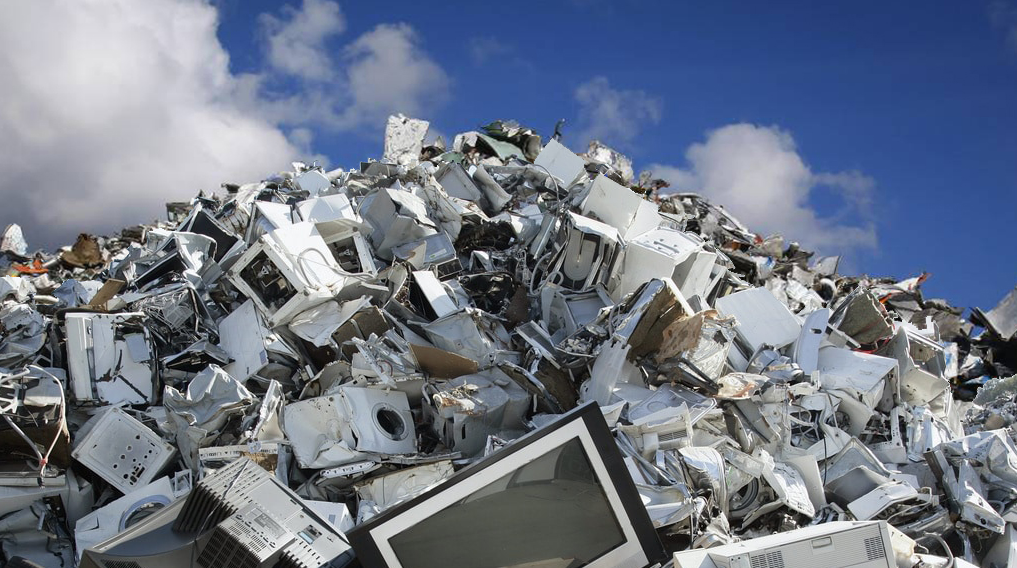
In today’s rapidly advancing technological world, electronic waste, or E-Waste, has become one of the fastest-growing waste streams. Every day, millions of devices are discarded—old mobile phones, laptops, desktops, televisions, and various other electronic gadgets. While these discarded items may appear to be just waste, many contain valuable materials, especially precious metals. These materials, such as gold, silver, platinum, and palladium, can be recovered, recycled, and reused in the production of new electronic devices. This practice not only helps reduce the harmful environmental impacts of E-Waste but also allows valuable resources to be extracted, thus contributing to the sustainable circular economy.
Scrap E-Waste has a significant role in the process of recovering these precious metals. When electronic devices are no longer functioning or are outdated, they are often disposed of in ways that can harm the environment. The metals inside these discarded gadgets, however, have far more worth than just their scrap value. By understanding the components within E-Waste and the benefits of recycling, individuals and businesses alike can make informed decisions about the disposal of their old electronic devices.
Most people are unaware of the sheer volume of valuable materials hidden inside old electronics. Modern smartphones, computers, and televisions are packed with a variety of metals that have both commercial and industrial value. Gold, for example, is commonly used in the connectors of electronic circuits because of its excellent conductivity and resistance to corrosion. Silver is also widely used, particularly in circuit boards, due to its ability to efficiently transfer electrical signals. Platinum and palladium are typically found in smaller quantities, but they are highly prized in the recycling industry because of their rarity and use in electronic components like hard drives and processors.
When you dispose of your old electronics, the value of these precious metals is often lost if the items are simply thrown away. This is where responsible recycling comes into play. By working with companies like thescrapman.co.uk, individuals can ensure their old electronic devices are disposed of properly, with valuable metals being recovered for reuse. Not only does this reduce the harmful environmental impact of E-Waste, but it also contributes to reducing the need for mining new materials, which can be both ecologically damaging and costly.
Recycling E-Waste to recover precious metals is a process that requires specialized knowledge and equipment. It’s not as simple as just throwing everything into a recycling bin. The components of an electronic device must be carefully dismantled and sorted to separate metals from plastics, glass, and other materials. Once the metals have been isolated, they can be sent to smelting plants where they are melted down and purified for reuse. This process not only ensures that precious metals are recovered but also helps reduce the demand for newly mined resources, conserving the Earth’s natural reserves.
The environmental impact of E-Waste is undeniable. As more and more devices enter the global market, the disposal of these items becomes an ever-growing concern. Old electronics often end up in landfills, where they leach harmful substances such as lead, mercury, and cadmium into the soil and water. These toxins can have devastating effects on ecosystems and human health. In contrast, recycling E-Waste allows these harmful substances to be safely contained, preventing them from entering the environment. Furthermore, the process of extracting valuable metals from E-Waste reduces the need for mining, which can often lead to habitat destruction, water contamination, and pollution.
Recycling E-Waste also has significant economic benefits. The recovery of precious metals is an industry in its own right, with large companies and governments investing in advanced technologies to extract as much value as possible from old electronics. By recycling E-Waste, businesses can also save money on purchasing raw materials, while simultaneously contributing to sustainability efforts. Consumers, too, benefit when they choose to recycle their electronics instead of discarding them, as they may be compensated for their old devices, either directly or through discounts on new purchases.
One of the most convenient ways to handle E-Waste is to reach out to companies that specialize in its collection and recycling. thescrapman.co.uk offers a hassle-free service for collecting E-Waste at no cost to the consumer. Whether you’re an individual looking to dispose of an old phone or a business with a large amount of outdated electronics, Scrapman makes the process simple. They offer free collection, ensuring that your E-Waste is properly processed and that valuable precious metals are recovered, contributing to the reduction of environmental pollution and supporting the circular economy.
For those concerned about the environment, it’s important to recognize the vital role that E-Waste recycling plays in addressing both ecological and economic challenges. The act of recycling doesn’t just benefit the planet—it helps to create a more sustainable and responsible electronics industry. By choosing to recycle your old electronics and trust services like thescrapman.co.uk for free collection, you’re not only helping reduce the impact of E-Waste but also encouraging the reuse of precious resources that are increasingly important in our modern, technology-driven world.
E-Waste is more than just a heap of unwanted electronics. It is a treasure trove of precious metals, each waiting to be recovered and reused. By making informed decisions about how to dispose of old electronics, individuals and businesses can play an active role in reducing environmental damage and supporting the sustainable reuse of valuable resources. thescrapman.co.uk offers a reliable, convenient, and eco-friendly solution to help you get rid of your old devices while ensuring that their valuable components are not wasted. Recycle your E-Waste responsibly, and contribute to a greener, more sustainable future.
FAQ: Scrap E-Waste and Precious Metals Recycling
- What is E-Waste? E-Waste, or electronic waste, refers to discarded electrical or electronic devices. These can include mobile phones, laptops, desktops, televisions, tablets, and other consumer electronics that have become obsolete, non-functional, or unwanted. E-Waste contains valuable metals and materials, as well as hazardous substances, making proper disposal and recycling critical to both environmental protection and resource recovery.
- Why is it important to recycle E-Waste? Recycling E-Waste is essential for several reasons. It helps conserve natural resources by extracting valuable metals such as gold, silver, and copper from old electronics, which reduces the need for mining. Additionally, proper E-Waste recycling prevents harmful substances like mercury, lead, and cadmium from entering the environment, where they can cause serious ecological and health issues. Recycling also reduces the overall volume of waste sent to landfills, contributing to a cleaner planet.
- What precious metals can be found in E-Waste? E-Waste contains several precious metals, including:
- Gold: Found in connectors, circuit boards, and memory chips.
- Silver: Used in solder, switches, and circuit boards.
- Platinum and Palladium: Found in hard drives and other electronic components.
- Copper: Common in wiring and circuit boards.
These metals have significant market value and can be extracted and reused in the manufacturing of new devices.
- How are precious metals extracted from E-Waste? Extracting precious metals from E-Waste involves a multi-step process. First, the devices are dismantled to separate the metals from plastics, glass, and other materials. The metals are then processed using smelting, chemical processes, or mechanical separation techniques to isolate and purify the precious metals. Once purified, these metals can be reused in the creation of new electronic products or other industrial applications.
- What are the environmental benefits of recycling E-Waste? Recycling E-Waste significantly reduces the harmful environmental impacts associated with improper disposal. When electronics are discarded in landfills, they release toxic substances into the soil and groundwater, which can pollute ecosystems and pose health risks to humans and wildlife. By recycling E-Waste, harmful chemicals are safely managed, and valuable materials are recovered, reducing the need for resource extraction and limiting environmental degradation.
- Can I really make money from recycling my old electronics? Yes, recycling your old electronics can be financially rewarding. Many companies, such as scrapman.co.uk, offer payment or incentives in exchange for your unwanted E-Waste. In addition to this, you can often receive compensation for specific valuable items, especially those containing precious metals. Recycling your devices helps to recover materials that can be reused, which has both economic and environmental benefits.
- How can I dispose of my E-Waste responsibly? To dispose of E-Waste responsibly, avoid throwing it away in regular trash. Instead, you can:
- Use local E-Waste recycling centers.
- Reach out to services like scrapman.co.uk, who offer free collection of E-Waste.
- Look for take-back programs provided by electronics manufacturers or retailers.
Proper disposal ensures that your devices are recycled in an environmentally-friendly manner and that valuable materials are recovered.
- What is the process for having my E-Waste collected for free? scrapman.co.uk offers a straightforward process for free E-Waste collection. You simply need to contact them through their website or by phone to schedule a pickup. They will collect your E-Waste directly from your location, whether it’s a small batch of personal items or a larger volume of electronic equipment from a business. Once collected, they ensure the proper disposal and recycling of your devices, recovering valuable metals and other materials in an eco-friendly manner.
- How can I tell if my old electronics contain valuable metals? Most modern electronics contain valuable metals, but the amount varies depending on the device. Generally, high-tech gadgets such as smartphones, laptops, tablets, and hard drives tend to contain more precious metals like gold, silver, and palladium. Older devices, such as CRT televisions and early-model computers, may contain less valuable metals but are still worth recycling. If you’re unsure, you can contact recycling services like scrapman.co.uk for advice and guidance.
- Are there any risks associated with recycling E-Waste? When performed incorrectly, E-Waste recycling can have environmental and health risks. Improper handling of electronic devices, especially when dismantling or processing them, can release toxic substances. However, reputable recycling companies like scrapman.co.uk follow strict regulations to ensure that E-Waste is handled safely. They comply with environmental laws and use safe methods to extract valuable metals and dispose of hazardous materials, preventing harmful chemicals from being released into the environment.
- What types of E-Waste are typically accepted for recycling? Most types of E-Waste can be recycled, including:
- Mobile phones and smartphones
- Laptops and desktop computers
- Televisions and monitors
- Tablets and e-readers
- Printers, scanners, and fax machines
- Batteries and chargers
- Kitchen appliances like microwaves and toasters
Before recycling, make sure to remove any personal data from your devices, particularly phones and computers, to ensure your privacy.
- What happens to my data when I recycle my electronics? One concern many people have when recycling their electronics is data security. It’s important to erase any sensitive information from devices like smartphones, laptops, and external hard drives before they are collected. Many E-Waste recycling services, including thescrapman.co.uk, provide guidance on how to securely wipe your devices, ensuring that all data is completely erased. This step is crucial to prevent identity theft or data breaches. If you’re unsure, ask the recycling service about their data-wiping procedures.
- How can I be sure that my E-Waste is being recycled properly? To ensure your E-Waste is being handled responsibly, choose a reputable company with a proven track record of safe and ethical recycling practices. Look for certifications such as the WEEE (Waste Electrical and Electronic Equipment) mark, which ensures that the company complies with European recycling standards. scrapman.co.uk is a trusted name in the industry and is committed to responsible recycling, recovering precious metals while adhering to strict environmental guidelines.
- What are the economic benefits of E-Waste recycling? The economic benefits of recycling E-Waste extend beyond the recovery of precious metals. By reducing the need for mining raw materials, recycling helps lower production costs for electronics manufacturers. It also creates jobs within the recycling and waste management sectors. Additionally, businesses can reduce disposal costs and earn revenue from the resale of valuable components. Consumers also benefit through trade-in programs, discounts, or even payments for their old devices.
- Is E-Waste recycling safe for the environment? Yes, E-Waste recycling is safe for the environment when done correctly. When recycled responsibly, the harmful substances in E-Waste are carefully managed, and valuable resources are recovered. Recycling also reduces the need for landfills and incineration, both of which can contribute to environmental pollution. By choosing to recycle your electronics, you’re actively supporting a cleaner, more sustainable future for the planet.
- Can businesses benefit from recycling E-Waste? Absolutely. Businesses that upgrade their technology or replace outdated electronics can significantly benefit from recycling their E-Waste. Not only does it reduce the environmental impact, but it also helps businesses recoup some of their investment by recovering valuable metals. Additionally, many businesses can earn credits, discounts, or even cash for recycling their old electronics. For large-scale collections, thescrapman.co.uk offers special services to handle corporate E-Waste responsibly.
In conclusion, recycling E-Waste is an important and responsible step for individuals, businesses, and the environment. Whether you have a few old gadgets at home or an office full of outdated devices, services like thescrapman.co.uk make it easier to recycle your E-Waste, recover precious metals, and contribute to sustainability. With the right approach, we can reduce the harmful effects of E-Waste while making use of the valuable materials within.