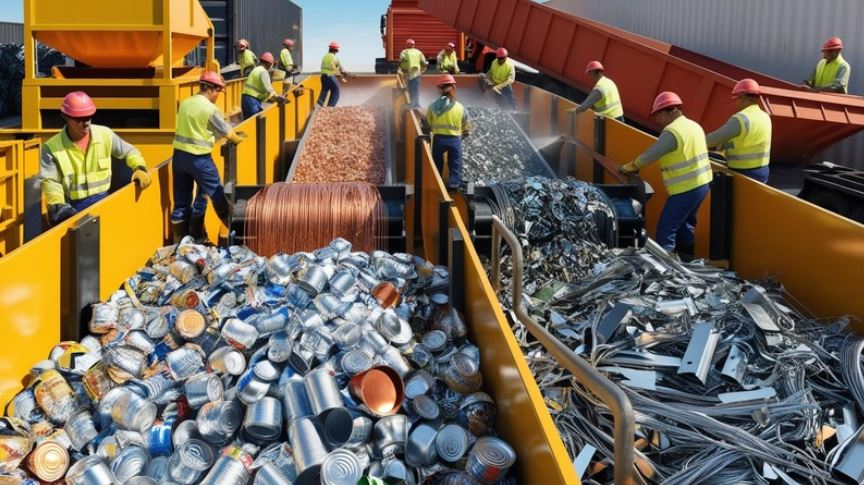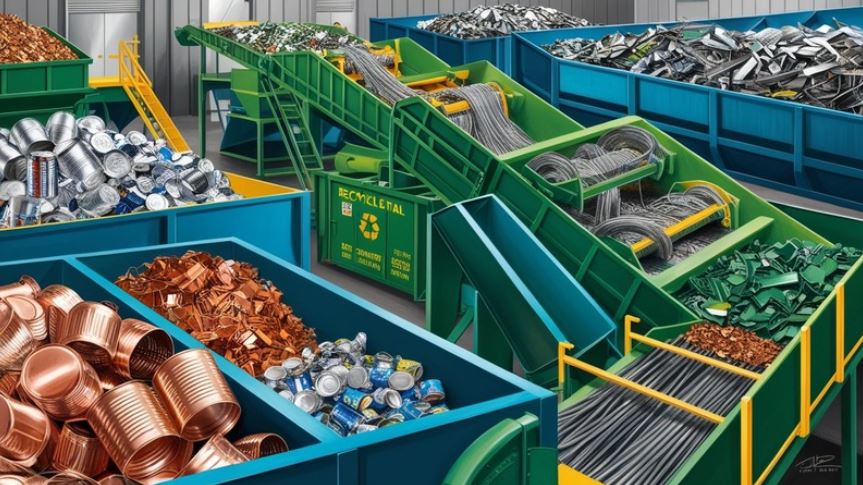
Managing scrap metal is a critical concern for commercial and industrial businesses. Efficient scrap metal clearance not only ensures safety and compliance but also frees up space and generates revenue through recycling. From factories and warehouses to construction sites, professional clearance services provide tailored solutions for every business.
What Is Commercial and Industrial Scrap Metal Clearance?
Scrap metal clearance involves the safe removal, transport, and recycling of metal waste from commercial and industrial sites. This includes:
- Manufacturing by-products and machine parts
- Construction and demolition debris
- Warehouse equipment and shelving
- Electronic and electrical metals
Proper clearance reduces hazards, optimizes workspace, and promotes environmentally responsible practices.
Why Scrap Metal Clearance Is Essential
1. Health and Safety Compliance
Industrial metals can be sharp, heavy, or contaminated. Professional clearance minimizes accidents and ensures workplace safety.
2. Space Optimization
Clearing scrap metal creates more usable space for operations, storage, and workflow efficiency.
3. Environmental Responsibility
Recycling metals lowers landfill waste, reduces carbon emissions, and supports sustainable business practices.
4. Financial Benefits
Scrap metals like copper, aluminum, and stainless steel can be sold, generating revenue from what was once waste.
Common Types of Metals Cleared
- Ferrous metals: Steel, iron, and alloys
- Non-ferrous metals: Copper, aluminum, brass, lead, stainless steel
- Electronic metals: Wiring, machinery components, and appliances
Segregating metals increases recycling efficiency and resale value.
Benefits of Hiring a Professional Scrap Metal Clearance Service
- Expert Handling of Hazardous Materials – Proper disposal of toxic or contaminated metals.
- Time and Labor Savings – Efficient collection, sorting, and transport.
- Regulatory Compliance – Adherence to local and national waste management laws.
- Sustainable Recycling Practices – Eco-friendly disposal methods.
- Custom Clearance Solutions – Flexible scheduling for one-off or recurring pickups.
How the Scrap Metal Clearance Process Works
- Site Assessment – Experts evaluate the volume and type of metals.
- Quotation and Planning – Clear cost estimates and recycling options.
- Collection and Removal – Safe transport using specialized equipment.
- Sorting and Recycling – Metals separated for maximum recycling efficiency.
- Documentation – Certificates of disposal or recycling for compliance purposes.
Industries That Benefit Most
- Manufacturing Plants – Machinery, offcuts, and scrap components.
- Construction and Demolition – Steel beams, aluminum frames, and piping.
- Warehousing and Logistics – Metal shelving, pallets, and equipment.
- Commercial Buildings – Fixtures, fittings, and office equipment.
- Electronics and IT – Servers, wiring, and electronic devices.
Maximizing Value from Scrap Metal Clearance
- Segregate Metals On-Site – Separate ferrous and non-ferrous metals.
- Partner with Accredited Recyclers – Ensure responsible recycling.
- Schedule Regular Clearances – Prevent accumulation and maintain safety.
- Explore Buy-Back Programs – Monetize scrap metals for additional revenue.
Why Choose Professional Scrap Metal Clearance
Professional services streamline operations, reduce risk, and turn metal waste into a sustainable and profitable resource. From small businesses to large industrial sites, investing in expert clearance ensures efficiency, safety, and environmental responsibility.
Commercial and industrial scrap metal clearance is a strategic necessity for modern businesses. It ensures safety, compliance, and sustainability while creating opportunities to generate revenue from recycled metals. By partnering with professional clearance providers, businesses can maintain a clean, organized, and profitable workspace, all while contributing to a greener future.
FAQ: Scrap Metal Site Clearance
1. What is commercial and industrial scrap metal clearance?
Answer: Commercial and industrial scrap metal clearance refers to the professional removal, collection, and recycling of metal waste generated by businesses and industrial sites. It involves the safe handling of both ferrous (iron, steel) and non-ferrous (aluminum, copper, brass) metals, machinery parts, construction debris, and electronic components. Clearance ensures compliance with safety regulations, optimizes space, and supports sustainability.
2. Why is scrap metal clearance important for businesses?
Answer: Scrap metal clearance is essential for several reasons:
- Safety: Reduces risks of accidents caused by sharp or heavy metals.
- Compliance: Ensures adherence to local and national environmental laws.
- Space optimization: Frees up valuable commercial or industrial space.
- Financial benefits: Scrap metals can be sold for revenue.
- Environmental responsibility: Supports recycling and reduces landfill waste.
3. What types of metals are typically cleared?
Answer: Professional clearance services handle:
- Ferrous metals: Steel, iron, cast iron.
- Non-ferrous metals: Aluminum, copper, brass, lead, stainless steel.
- Electronic metals: Wiring, computer parts, appliances.
- Mixed metals: Scrap from construction, machinery, or packaging materials.
4. What industries require commercial and industrial scrap metal clearance?
Answer: Industries that benefit include:
- Manufacturing: Machines, offcuts, and metal components.
- Construction and demolition: Structural steel, aluminum frames, piping.
- Warehousing and logistics: Metal shelving, storage units, pallets.
- Commercial buildings: Office furniture, fixtures, equipment.
- Electronics and IT: Servers, wiring, and electronic devices.
5. Can scrap metal clearance generate revenue for my business?
Answer: Yes. Non-ferrous metals like copper, aluminum, and brass have high resale value. Many clearance providers offer buy-back or recycling programs, allowing businesses to monetize metal waste instead of treating it as a disposal cost.
6. How does the scrap metal clearance process work?
Answer: The process generally includes:
- Site assessment: Evaluate the quantity and type of metals.
- Quotation and planning: Provide cost estimates and recycling options.
- Collection and removal: Safe transport using specialized vehicles.
- Sorting and recycling: Separate metals for maximum resale or recycling value.
- Documentation: Provide certificates for compliance and record-keeping.
7. What safety measures are taken during scrap metal clearance?
Answer: Professional services implement strict safety protocols, including:
- Use of personal protective equipment (PPE).
- Safe handling of sharp, heavy, or contaminated metals.
- Proper lifting and transportation techniques.
- Secure storage and transport to recycling facilities.
8. How often should businesses schedule scrap metal clearance?
Answer: Frequency depends on the type and volume of metal waste. Options include:
- Regular scheduled clearance: Weekly, monthly, or quarterly.
- One-off clearance: For large-scale projects or site cleanouts.
- Emergency clearance: For unexpected accumulation of scrap metals.
9. What is the difference between ferrous and non-ferrous metals in clearance?
Answer:
- Ferrous metals: Contain iron, magnetic, generally less expensive to recycle.
- Non-ferrous metals: Do not contain iron, more valuable (copper, aluminum), require careful handling to maximize resale.
10. Can electronic scrap metals be cleared safely?
Answer: Yes. Professional clearance services are trained to handle e-waste, which may contain hazardous materials like lead or mercury. Proper disposal ensures environmental compliance and allows recovery of valuable metals.
11. How is pricing determined for scrap metal clearance?
Answer: Pricing depends on factors like:
- Type and quantity of metal.
- Weight and volume.
- Complexity of removal (e.g., heavy machinery).
- Distance to recycling facility.
- Value of non-ferrous metals for resale.
12. Are scrap metal clearance services environmentally friendly?
Answer: Reputable providers prioritize recycling and sustainable disposal. Metals are separated and sent to recycling facilities, reducing landfill use, conserving natural resources, and minimizing carbon emissions.
13. What equipment is used for industrial scrap metal removal?
Answer: Clearance companies use:
- Industrial trucks and flatbeds for heavy transport.
- Cranes and forklifts for large machinery.
- Sorting and shredding equipment for recycling preparation.
- Safety gear for staff handling hazardous metals.
14. Can clearance companies handle hazardous or contaminated metals?
Answer: Yes. Some metals may be contaminated with oils, chemicals, or other industrial residues. Professionals follow strict protocols to handle, transport, and dispose of hazardous materials safely.
15. How can my business maximize value from scrap metal clearance?
Answer: Strategies include:
- Segregate ferrous and non-ferrous metals on-site.
- Partner with accredited recyclers.
- Schedule regular clearances to avoid accumulation.
- Participate in buy-back or recycling incentive programs.
16. Do I need a license to dispose of scrap metals?
Answer: Regulations vary by region. Many jurisdictions require businesses to use licensed scrap metal dealers or recycling services to ensure legal and safe disposal. Professional clearance companies handle licensing and compliance on behalf of clients.
17. How long does commercial scrap metal clearance take?
Answer: Duration depends on:
- Size and complexity of the site.
- Quantity and type of metals.
- Equipment access and logistics.
Small sites may take a few hours, while large industrial facilities may require multiple days.
18. Can clearance services provide documentation for audits?
Answer: Yes. Most professional services provide certificates of disposal or recycling, which help businesses maintain compliance records and support corporate sustainability reporting.
19. What are common challenges in scrap metal clearance?
Answer: Challenges include:
- Mixed or contaminated metals that require sorting.
- Large or heavy machinery that needs specialized equipment.
- Environmental regulations that must be followed.
- Access restrictions at industrial or commercial sites.
20. How do I choose the right scrap metal clearance provider?
Answer: Look for:
- Licensing and accreditation.
- Experience in commercial and industrial environments.
- Commitment to environmentally responsible recycling.
- Transparent pricing and clear contracts.
- Flexible scheduling and emergency response capability.
21. Can scrap metal clearance improve workplace efficiency?
Answer: Absolutely. Removing scrap metals reduces clutter, creates more usable space, and minimizes hazards. This improves workflow, productivity, and overall operational efficiency.
22. Is scrap metal clearance considered a part of corporate sustainability?
Answer: Yes. Recycling metals conserves natural resources, reduces landfill waste, and lowers carbon emissions, contributing to corporate social responsibility (CSR) and ESG (Environmental, Social, Governance) goals.
23. Can clearance services remove metals from hard-to-reach areas?
Answer: Professional teams use specialized equipment like cranes, lifts, and forklifts to safely remove metals from high or confined spaces, ensuring safe and efficient clearance.
24. Are there any hidden costs in scrap metal clearance?
Answer: Reputable providers offer transparent pricing upfront. Potential additional costs may include hazardous material handling or very large or complex removals. Always request a detailed quote.
25. How do businesses get started with scrap metal clearance?
Answer: Steps include:
- Contact a licensed clearance provider.
- Schedule a site assessment.
- Receive a detailed quote and plan.
- Approve the plan and schedule the clearance.
- Ensure proper documentation and recycling certificates are received.