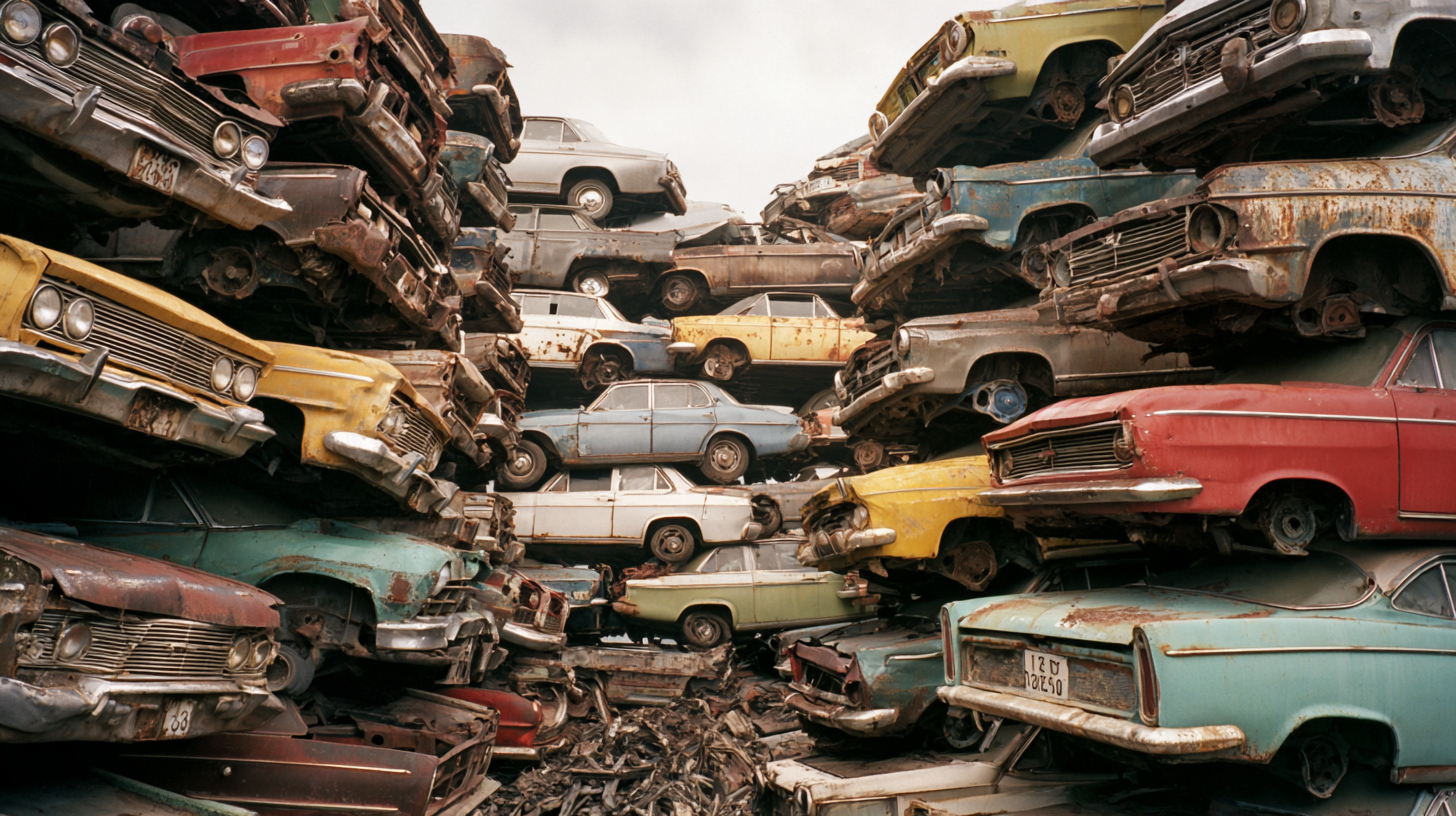
From the moment you begin to consider scrapping a vehicle or sourcing used parts in Chesterfield, it helps to know that there are established, long‑running operations offering these services — and among them Deatons Metal Centre stands out as a cornerstone of the local scrap‑metal and car‑recycling industry. Founded many decades ago, Deatons has built a reputation for reliability. Their base is in Netherthorpe / Staveley, postcode S43 3PU. Their contact telephone number is 01246 280735. As a scrap‑metal merchant and vehicle salvage yard, Deatons handles scrap metal, scrap vehicles, and car spares — offering an accessible option for those who want to dispose of an old car, or salvage usable parts without paying for brand‑new components.
Deatons’ long history and established presence in the area means they are familiar with legal and environmental responsibilities. For someone scrapping a vehicle, proper paperwork, safe disposal of hazardous materials, and correct handling of metal recycling are crucial — and a reputable yard like Deatons helps ensure that the process is done transparently and within UK regulations. Whether you bring a whole non‑roadworthy car or just parts to be recycled or resold, Deatons offers the foundational services that many people expect from a scrapping or salvage operation.
But Deatons is only the beginning of what Chesterfield and surrounding areas have to offer. There are additional breakers and salvage yards around the region that cater to a variety of needs. Some focus more on car‑part salvage — supplying engines, gearboxes, body panels, interior items — while others concentrate on scrap‑metal recycling or whole vehicle disposal. With a range of yards available, the likelihood is good that you can locate parts or scrap services for many common (and some not-so-common) vehicles, as well as arrange disposal for a car that’s no longer roadworthy.
Scrapping a vehicle in the UK carries legal and environmental obligations that every owner should be aware of. Legally, you must use an Authorised Treatment Facility (ATF) — a licensed scrapyard — to scrap a car. The regulation ensures that vehicles are dismantled or recycled properly, and hazardous materials such as fuel, oil, coolant, batteries or other fluids are handled in a way that does not pollute the environment. It’s not simply a matter of dropping a car off — documentation is required. Acceptable photo identification (such as a driving licence or passport) and proof of address must be provided under the law to verify the identity of the person handing over the vehicle. This helps prevent theft, fraud, and ensures traceability. While a vehicle logbook (V5C) simplifies the process, the logbook is not strictly mandatory — but if lost, additional steps are needed (such as notifying the licensing authority manually). If you carry out scrapping correctly, the ATF will issue a Certificate of Destruction (or equivalent), and you (the former owner) must notify the registration authority that the vehicle has been scrapped. Failure to follow proper de-registration procedures can leave you legally tied to the vehicle — potentially responsible for tax, liabilities, or misuse by others.
For those not scrapping a car but simply seeking used parts, scrapyards and salvage yards around Chesterfield offer a significant advantage. Used engines, transmissions, bodywork, interior parts, and other components are often sold at a fraction of the cost of new parts — which can make a big difference if you are repairing or restoring an older vehicle. Whether you choose a big yard like Deatons or a smaller breaker, you’ll often be paying significantly less than dealership prices. The trade‑off is that parts are sold “as‑is” and may have varying wear or condition — so careful inspection is advised, particularly for safety‑critical components or mechanical parts. Because stock changes often (as cars are dismantled, parts removed or sold), it’s wise to call ahead, describe the part or car model you need, and check availability, rather than assuming the yard will have what you want waiting.
If you are disposing of a whole vehicle, conditions such as whether the car runs, is roadworthy, or can be driven to the yard will influence logistics. Non‑running or badly damaged cars may require collection or towing; many yards around Chesterfield — including salvage‑metal merchants and breakers — often provide vehicle collection services, which can save you the trouble of arranging transport. For running cars, a direct drop‑off may suffice. Pricing or valuation depends on multiple factors: vehicle make/model, condition, metal content, whether salvageable parts exist, demand for those parts, and the cost/risk to dismantle or dispose of hazardous materials. Because of these variables and frequent fluctuations in scrap‑metal price and parts demand, scrapyards rarely offer fixed prices online; instead they typically require a phone call or assessment to provide a quote.
The environmental and community benefits of responsible scrapping and recycling should not be understated. Properly operated yards like Deatons or other licensed breakers help ensure that vehicles that are beyond repair are processed safely — metals recycled, reusable parts salvaged, fluids and hazardous materials disposed of in compliance with regulations. This reduces environmental pollution, reduces demand for newly manufactured parts, gives used parts a second life, and prevents illegal dumping or fly‑tipping of old vehicles. For car‑owners looking to reduce waste responsibly or to pass on value from an un‑wanted vehicle, scrapping through a legitimate yard is a method that combines practicality, legality, and sustainability.
Deciding which yard to use — and whether to scrap or salvage — depends on what you want to achieve. For straightforward disposal of an end‑of‑life or un‑roadworthy car, a licensed ATF with proper credentials, transparent procedures, and paperwork (Certificate of Destruction / paperwork to deregister car) offers peace of mind and ensures compliance. For salvaging parts to keep a vehicle on the road or restore a project car, breakers and salvage yards give access to cheaper components, provided you carefully assess condition and compatibility. A yard that offers part removal or collection services may add convenience, but you will need to check what parts remain available and whether dismantling affects the terms of scrapping.
In areas like Chesterfield where multiple salvage and scrapyard operations exist, it pays to do a little homework: call ahead with full details (car make, model, condition, parts needed), confirm licensing and documentation procedures, ask how payments are made (legal requirements in the UK prohibit cash payments for scrap cars), and agree on collection or drop‑off arrangements if needed. That way you avoid risks — legal liability, environmental damage, or uncertain payment — and maximise your chance of a favourable outcome, whether you are scrapping or salvaging.
For owners of older cars, or those restoring or repairing vehicles on a budget, the scrapyard ecosystem offers real value: used parts at steep discounts, a chance to reuse salvageable material, and a more sustainable approach to vehicle life‑cycle. For those disposing of a car, scrapyards provide a legal, safe, and environmentally conscious alternative to abandonment or illegal dumping. For the community at large, responsible scrapyards help manage waste, recycle materials, and reduce the demand for new manufacture — making vehicle disposal and part salvage part of a greener, circular system.
In short, within the Chesterfield region — with places like Deatons Metal Centre as a foundation — the network of scrapyards, salvage yards, breakers and licensed ATFs offers realistic, dependable options whether you’re scrapping a car or in search of used parts. With good planning, correct documentation and awareness of what to expect, you can navigate the scrapyard landscape effectively, safely, and responsibly.
FAQ: Car Scrapyards Chesterfield
1. What is a car scrapyard and how does it work?
A car scrapyard, also known as a vehicle salvage yard or breakers yard, is a facility where end-of-life vehicles are dismantled, recycled, or broken down for spare parts and scrap metal. Cars that are no longer roadworthy, have been in accidents, or are beyond repair are brought to a scrapyard. The yard will typically depollute the vehicle by removing fluids such as fuel, oil, and coolant, then salvage usable parts like engines, gearboxes, body panels, and interiors. The remaining metal is recycled, ensuring responsible disposal and minimizing environmental impact.
2. Who is Deatons Metal Centre and why are they significant in Chesterfield?
Deatons Metal Centre is one of the most established scrapyards in Chesterfield. They specialize in vehicle dismantling, scrap metal processing, and selling used car parts. Their long-standing presence ensures compliance with UK environmental and legal regulations, proper handling of hazardous materials, and issuance of official Certificates of Destruction when cars are scrapped. They are a go-to destination for both individuals scrapping vehicles and people seeking affordable, quality used parts.
3. What services do scrapyards like BB Autos offer?
BB Autos, another notable scrapyard in Chesterfield, focuses on salvaging parts from end-of-life vehicles. Their services include dismantling cars, selling second-hand engines, gearboxes, bodywork, and interior components. They also often offer vehicle collection services for non-running or heavily damaged cars. These yards emphasize reuse and sustainability, helping extend the life of car components while responsibly recycling the remainder.
4. What documents are required to scrap a car in Chesterfield?
To scrap a vehicle legally, you need valid photo identification (such as a driving license or passport) and proof of ownership or address. Having the V5C logbook simplifies the process, but if it is lost, a yard can guide you through the alternative steps required by law. A reputable scrapyard will ensure all documents are processed correctly and issue a Certificate of Destruction, protecting the former owner from future liability.
5. How is the value of a scrap car determined?
The value depends on several factors including the car’s make and model, age, condition, metal content, and whether salvageable parts are available. Current scrap metal prices and demand for used parts also influence the valuation. Because of market fluctuations, scrapyards typically provide quotes after assessing the vehicle rather than offering fixed prices online.
6. Can I sell a car to a scrapyard if it doesn’t run?
Yes. Most scrapyards offer collection services for non-running vehicles. For cars that can’t be driven, the yard may arrange a tow or collection. Providing full details about the car’s condition and location beforehand helps the scrapyard quote accurately and schedule collection efficiently.
7. Are used car parts reliable from scrapyards?
Used parts can be reliable if inspected carefully. Components such as engines, gearboxes, doors, panels, and interiors are salvaged and sold as-is. While they are typically cheaper than new parts, buyers should check compatibility and condition, especially for safety-critical parts. Experienced scrapyards like Deatons and BB Autos often have knowledgeable staff who can advise on part suitability.
8. How do scrapyards handle hazardous materials?
Licensed scrapyards follow strict regulations for environmental safety. Fluids such as fuel, oil, coolant, brake fluid, and battery acid are carefully removed and disposed of. Some components, like catalytic converters, are also processed separately for environmental and economic reasons. This ensures that the disposal process does not contaminate soil, water, or air.
9. Is payment for scrapping a car done in cash?
No. UK regulations prohibit cash payments for scrap cars to ensure traceability and prevent illegal activity. Payments are usually made via bank transfer or cheque. This protects both the customer and the yard from potential legal issues.
10. What is a Certificate of Destruction and why is it important?
A Certificate of Destruction (CoD) is an official document issued by the scrapyard confirming that the vehicle has been properly dismantled or destroyed. It is essential for removing the car from your responsibility legally, ensuring that you are no longer liable for tax, insurance, or misuse of the vehicle. Without it, you could face fines or ongoing charges.
11. How do I choose the right scrapyard in Chesterfield?
When selecting a scrapyard, check that it is licensed as an Authorised Treatment Facility (ATF), has clear contact information, offers Certificates of Destruction, and maintains a reputation for reliability. If you are looking for parts, confirm that they keep a good inventory and can provide guidance on part compatibility. Reading reviews or seeking recommendations from local communities can also help.
12. What are the benefits of scrapping a car responsibly?
Responsible scrapping reduces environmental impact by recycling metals and safely disposing of hazardous materials. It allows for the reuse of parts, making repairs more affordable. It also prevents illegal dumping and supports a cleaner, safer community. Moreover, it protects the former owner from legal liabilities and ensures compliance with UK law.
13. Can I buy parts from a scrapyard instead of scrapping my car?
Yes. Many yards sell parts salvaged from other vehicles. Buying used parts is often more cost-effective than purchasing new, and it supports sustainability. However, you should inspect the parts carefully, verify compatibility, and understand that used parts are sold as-is without warranties.
14. How long does the scrapping process take?
The process can take a few hours at the yard for paperwork, inspection, and dismantling, but logistics like collection or towing may extend the timeline. Obtaining a Certificate of Destruction and completing de-registration with authorities can take additional time, depending on administrative processes.
15. Are there any common mistakes to avoid when using a scrapyard?
Common mistakes include using an unlicensed yard, not providing proper documentation, accepting cash payments, or failing to obtain a Certificate of Destruction. Other pitfalls include removing parts without informing the yard or assuming all used parts are fully functional. Working with licensed, reputable yards like Deatons Metal Centre reduces these risks.
16. What makes Chesterfield scrapyards unique?
Chesterfield has a mix of long-established yards like Deatons, family-run operations such as BB Autos, and smaller breakers offering specialized parts. The region benefits from accessibility, knowledgeable staff, and a strong local network for parts recycling, scrap metal processing, and vehicle disposal, making it a convenient hub for both scrapping cars and sourcing affordable components.
17. How does scrapping a car benefit the environment?
Scrapping cars responsibly reduces landfill waste, recycles metals and parts, and prevents contamination from oils, fuels, and other hazardous fluids. Salvaging parts reduces demand for new manufacturing, conserving energy and raw materials, while properly disposing of remaining materials minimizes environmental impact.
18. Are scrapyards in Chesterfield suitable for all types of vehicles?
Most scrapyards accept a wide range of vehicles, including cars, vans, and sometimes light commercial vehicles. Acceptance depends on the yard’s capacity, legal licensing, and what they can dismantle or recycle. Rare or classic vehicles may require specialized handling, so contacting the yard in advance is recommended.
19. Can I negotiate prices with a scrapyard?
Yes. Pricing can often be discussed, particularly for vehicles with valuable parts or large metal content. Providing detailed information about the car, including make, model, year, and condition, helps the yard provide a fair quote. Multiple quotes may help ensure competitive pricing.
20. What is the overall experience like at a reputable scrapyard?
A professional scrapyard will guide you through the process, including providing accurate quotes, handling paperwork, offering collection if needed, safely removing hazardous materials, and issuing Certificates of Destruction. For part buyers, they will advise on availability, compatibility, and condition, creating a safe, efficient, and environmentally responsible transaction.