 0
0
 0
0
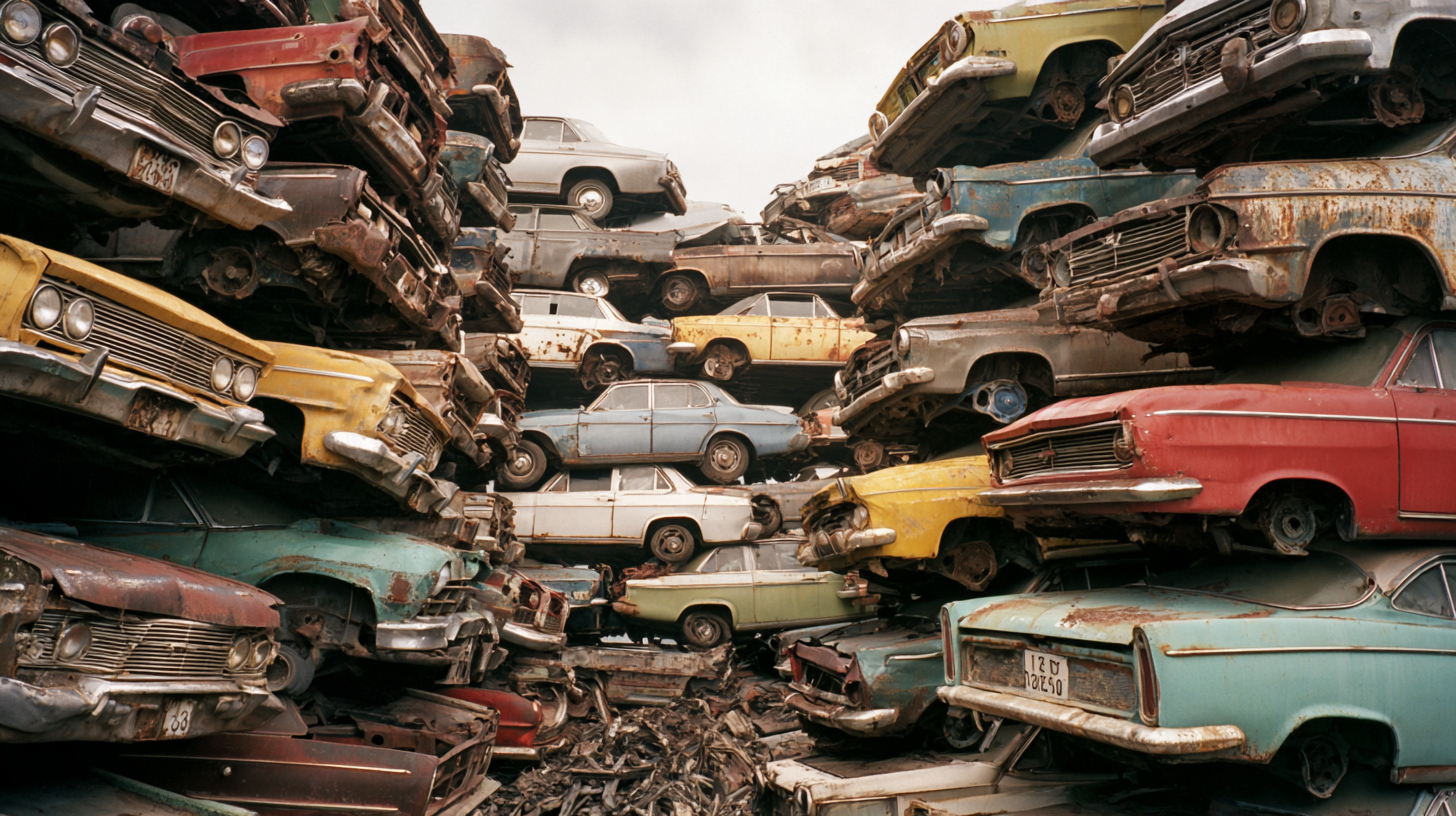
Scrap vehicle recycling is one of the most important environmental processes of the modern era, turning old, damaged, and end-of-life vehicles into valuable raw materials while ensuring that harmful substances never reach landfills or water systems. Every year, millions of cars, vans, motorcycles, and commercial vehicles reach a point where repairing them no longer makes financial sense, and instead of letting them rust away on driveways, in garages, or on unused land, scrap vehicle recycling provides a responsible, sustainable, and financially beneficial solution. Through a combination of advanced dismantling techniques, strict environmental standards, and state-of-the-art metal recovery systems, the recycling of scrap vehicles transforms waste into resources that industries can reuse again and again without degrading quality.
The scrap vehicle recycling process begins the moment an end-of-life vehicle arrives at an authorised treatment facility, where trained specialists follow government-regulated depollution procedures. These facilities are designed to handle hazardous materials safely, preventing things like engine oil, brake fluid, antifreeze, transmission fluid, air-conditioning gases, and battery acid from leaking into soil or water systems. Each fluid is drained, filtered, and managed according to strict environmental rules. This stage alone prevents thousands of litres of pollutants from entering the ecosystem and plays a vital role in reducing global contamination levels. Once depollution is complete, the vehicle begins its second life through parts recovery and recycling.
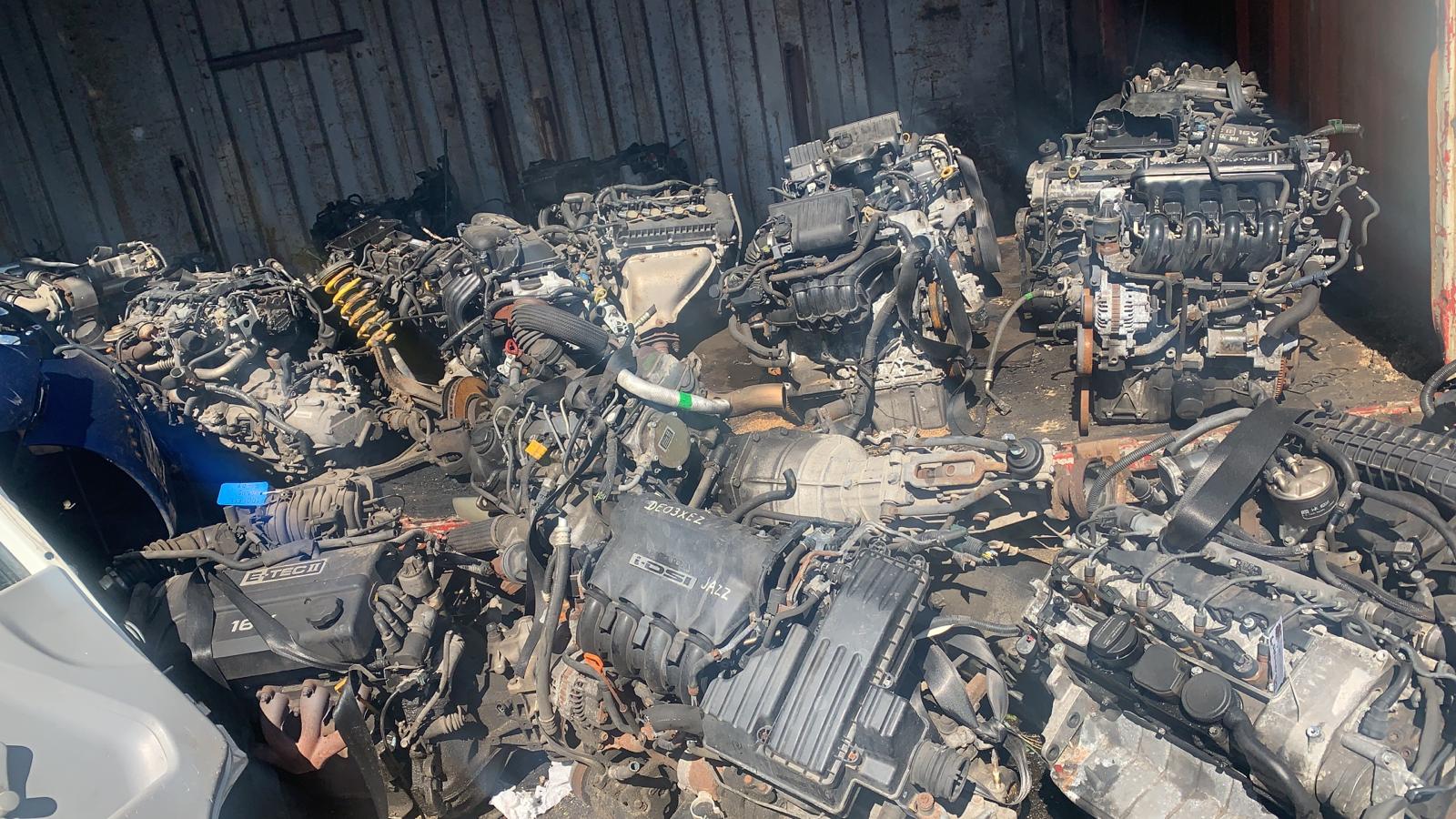
Many components removed during scrap vehicle recycling retain significant value. Engines, gearboxes, alternators, starter motors, catalytic converters, tyres, wheels, radiators, and electronic modules often still function perfectly even when the vehicle itself is no longer roadworthy. These parts are cleaned, inspected, refurbished when necessary, and returned to the used-parts market. This reduces the demand for newly manufactured parts, lowers the cost of repairs for consumers, and greatly decreases the environmental footprint associated with producing brand-new automotive components. The circular reuse of parts is an essential part of the green automotive supply chain, and it ensures that nothing with value goes to waste.
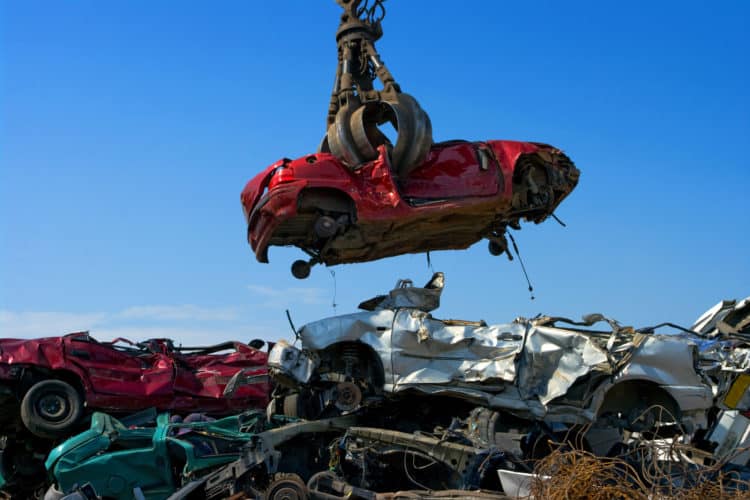
Once reusable components have been removed, the remaining vehicle shell is crushed and transported to a high-capacity shredder. Modern shredders use immense mechanical force to break the vehicle into small fragments, separating metals from plastics, foams, rubber, fabrics, and glass. Sophisticated magnets, eddy current separators, and sensor-based sorting technologies distinguish between steel, aluminium, copper, and other metals. The result is an extremely efficient material recovery process that can reclaim up to 95 percent of a scrap vehicle by weight, an achievement that makes the automotive recycling industry a cornerstone of global sustainability. Recycled steel and aluminium from scrapped cars are used to manufacture new vehicles, appliances, construction beams, industrial machinery, and an enormous range of everyday products.
The environmental benefits of scrap vehicle recycling extend far beyond reducing landfill waste. Recycling metal from old vehicles requires significantly less energy than mining and refining raw materials, and the energy savings directly reduce carbon emissions. Producing aluminium from recycled sources uses around 95 percent less energy than producing aluminium from bauxite ore, while recycled steel uses 70 percent less energy compared to steel produced from iron ore. These energy reductions support global climate goals and make scrap vehicle recycling one of the most impactful green industries in the world.
Another area where scrap vehicle recycling plays an important role is the recovery of precious metals found in catalytic converters. These components contain platinum, palladium, and rhodium, metals that are extremely rare and incredibly valuable. The extraction of these materials from natural deposits requires intensive mining operations that damage ecosystems and consume vast amounts of energy. Recycling catalytic converters from old vehicles provides a cleaner and more efficient source of these critical materials, supporting the manufacturing of new emissions-control systems without contributing to environmental destruction.
As the automotive industry shifts toward electric and hybrid vehicles, scrap vehicle recycling has entered a new era of innovation. Electric vehicles contain lithium-ion batteries, rare-earth magnets, high-grade copper wiring, and specialised electronics. The growing recycling sector has developed methods to safely dismantle, neutralize, and repurpose EV batteries, many of which can be reused in domestic or commercial energy-storage systems. When batteries are no longer suitable for reuse, they can be broken down so that lithium, nickel, cobalt, and other valuable materials can be recovered. As electric vehicles become the future of transportation, advanced recycling techniques ensure that this transition remains sustainable.
Scrap vehicle recycling also supports local economies by creating jobs in dismantling, waste management, mechanics, logistics, metal processing, and the sale of used automotive parts. The industry stimulates economic growth while contributing to a cleaner environment. Many recycling centres also offer competitive prices for scrap vehicles based on weight, component value, and metal market conditions, making it financially beneficial for owners to dispose of an old car responsibly. Free vehicle collection services have become standard, making the process even more convenient for customers who may not be able to move a broken or non-running vehicle themselves.
Legal compliance is another crucial aspect of scrap vehicle recycling. Owners scrapping a car must use a licensed Authorised Treatment Facility to ensure proper depollution and disposal. Once the vehicle is processed, the owner receives a Certificate of Destruction, confirming that the car has been permanently removed from the national road database and can no longer be driven or resold. This protects the owner from future liability and prevents the risk of the vehicle being illegally exported, reused, or abandoned.
Preparing a vehicle for scrapping is straightforward. Owners simply need to remove personal items, locate the V5C vehicle logbook, and contact a licensed recycler to arrange collection or delivery. After the vehicle is collected, the recycler handles all paperwork, ensuring that the owner’s legal responsibility ends immediately. The process is streamlined, professional, and designed to give peace of mind.
As environmental awareness continues to rise, scrap vehicle recycling has become more than a disposal service; it is a vital part of global sustainability. Through responsible depollution, meticulous parts recovery, advanced material recycling, and innovative handling of electric vehicle technology, scrap vehicle recycling ensures that end-of-life vehicles contribute positively to the environment rather than polluting it. The industry’s commitment to waste reduction, resource conservation, and cleaner manufacturing makes it one of the world’s most impactful eco-friendly sectors.
FAQ: Scrap Vehicle Recycling
1. What is scrap vehicle recycling and why is it important?
Scrap vehicle recycling is the process of dismantling, depolluting, and processing old, damaged, or end-of-life vehicles so that their parts and materials can be reused, repurposed, or converted into new raw materials. It is essential because vehicles contain hazardous fluids, metals, plastics, and chemicals that can cause severe environmental contamination if left to decay. Recycling reduces landfill waste, recovers valuable metals such as steel and aluminium, lowers global carbon emissions by reducing the need for new mining, and ensures that vehicles are handled safely and legally at the end of their life cycle.
2. Which types of vehicles can be recycled?
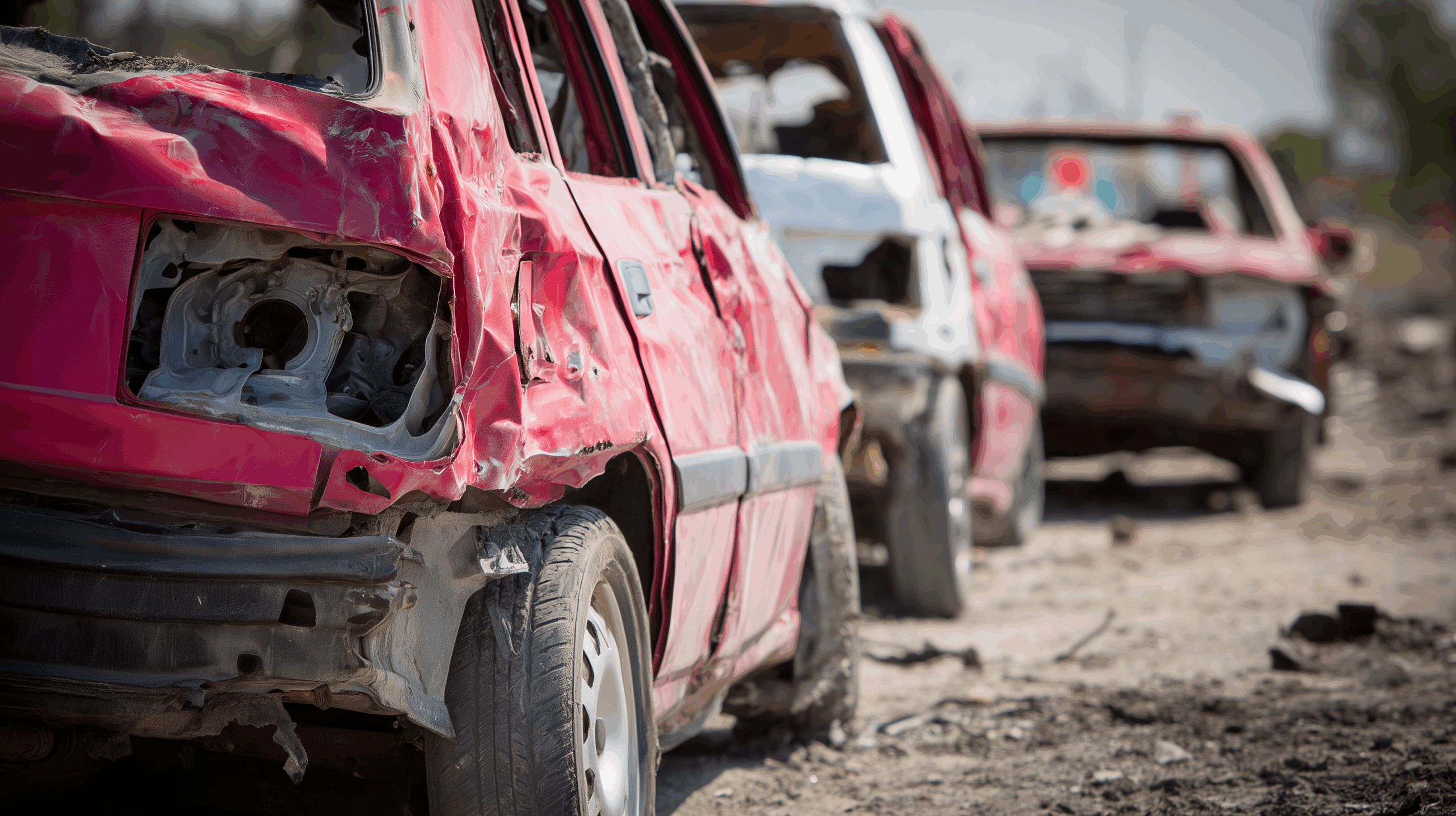
Almost every vehicle on the road can be recycled. This includes cars, vans, SUVs, motorcycles, 4x4s, pickup trucks, commercial vehicles, minibuses, agricultural vehicles, and in many cases even caravans or non-running shells. Whether the vehicle is completely destroyed, accident damaged, fire damaged, flood damaged, written off by insurers, mechanically dead, or simply too old to repair, authorised recyclers can process it.
3. What happens during the scrap vehicle recycling process?
The process begins when the vehicle arrives at an authorised treatment facility. Specialists drain all hazardous fluids such as engine oil, coolant, brake fluid, fuel, and air-conditioning gases. The vehicle is then dismantled for reusable parts such as engines, gearbox units, alternators, radiators, batteries, starter motors, tyres, wheels, interior modules, and catalytic converters. After reusable components are removed, the remaining shell is crushed and sent to a shredder. The shredded metal is sorted using magnets, sensors, and separation systems to recover steel, aluminium, copper, and other valuable materials. These materials are then sent to manufacturers to be melted and used again.
4. How much of a scrap vehicle can actually be recycled?
Modern recycling methods allow up to 95 percent of a vehicle to be recycled by weight. Metal components such as steel and aluminium are almost entirely recoverable and can be recycled repeatedly without losing structural quality. Catalytic converters contain precious metals like platinum and palladium that are extracted and reused. Even plastics, foams, rubber, and glass can be repurposed through specialised recycling processes.
5. Can I earn money by recycling a scrap vehicle?
Yes, vehicle owners usually receive a payment based on factors such as the weight of the vehicle, the condition of valuable components, and current market prices for scrap metal. Catalytic converters, alloy wheels, and batteries often add extra value. Many scrap yards offer instant bank transfer payments and free collection, making the process quick and convenient.
6. What paperwork is required when scrapping a vehicle?
The most important document is the V5C logbook, which proves ownership. When you scrap a vehicle through a licensed recycler, they will notify the national licensing authority that the car is no longer on the road. You will receive a Certificate of Destruction, which legally confirms that the vehicle has been scrapped. This document protects you from future liability and ensures the vehicle cannot be used illegally.
7. Is it legal to scrap a vehicle without a licensed recycling facility?
No, it is illegal and unsafe to scrap a vehicle through unlicensed individuals or backyard operators. Only authorised treatment facilities are permitted to depollute and dismantle vehicles. Using an unlicensed service may result in environmental harm, unsafe disposal of hazardous materials, or the possibility that the vehicle could be sold illegally, cloned, or reused for criminal activity. A licensed recycler provides full documentation and guarantees lawful disposal.
8. What are depollution activities and why are they required?
Depollution involves the removal, containment, and safe disposal of all hazardous substances in a vehicle. This includes removing oils, fuel, transmission fluid, braking fluid, battery acid, coolant, power steering fluid, refrigerants, and even airbags. These materials can be toxic to soil, water, and wildlife if not handled correctly. Depollution is mandatory by law and ensures that the recycling process does not cause environmental damage.
9. What happens to the metals recovered from scrap vehicles?
Recovered metals such as steel and aluminium are melted down and reintroduced into manufacturing cycles. They are commonly used in construction, appliances, new car production, machinery, and household goods. Recycling metals consumes far less energy than producing new metals from ore. This reduces global greenhouse gas emissions and helps industries reduce their carbon footprint.
10. What role do catalytic converters play in vehicle recycling?
Catalytic converters are among the most valuable components in scrap vehicles because they contain precious metals such as platinum, palladium, and rhodium. These metals help reduce emissions in functioning vehicles and are extremely difficult to mine. Recycling catalytic converters provides a significant source of these rare materials without further environmental destruction. The recycled metals are refined and reused in new catalytic converters and industrial applications.
11. Can electric vehicles and hybrid vehicles be recycled?
Yes, electric and hybrid vehicles can be recycled, though the process is more complex due to the presence of high-voltage lithium-ion batteries. Specialists trained in handling electric vehicle batteries safely remove them and determine whether they can be reused, repurposed for energy storage, or dismantled for material recovery. Valuable materials like lithium, nickel, cobalt, and copper can be extracted and reintroduced into manufacturing. The rest of the vehicle undergoes the same recycling process as a traditional petrol or diesel vehicle.
12. What happens to old vehicle batteries during recycling?
Traditional lead-acid car batteries are removed during depollution and sent to specialised recycling plants. They are broken down into lead, polypropylene, and acid components. Lead is melted and reused, while the plastic casing is recycled into new casings or industrial materials. Electric vehicle batteries undergo a more advanced process to recover lithium, nickel, cobalt, graphite, and aluminium.
13. Is scrap vehicle recycling environmentally friendly?
Yes, scrap vehicle recycling is one of the most environmentally beneficial processes in the industrial world. It prevents hazardous chemicals from entering the environment, significantly reduces the need to mine for new metals, saves massive amounts of energy, reduces CO₂ emissions, and lowers the overall industrial footprint of manufacturing. Recycling supports a circular economy, turning waste into valuable resources.
14. How long does the scrap vehicle recycling process take?
The collection and paperwork process typically takes less than an hour. Once the vehicle arrives at the recycling facility, depollution and dismantling may take several hours or even days depending on the complexity of the vehicle. Shredding and material recovery are continuous industrial processes that operate around the clock. Most vehicles are fully processed within a week.
15. Can I keep parts of my vehicle before scrapping it?
Yes, you can remove personal items, aftermarket additions, or non-essential parts, provided the vehicle remains complete when collected if the price was based on full weight. If you remove valuable components like catalytic converters or alloy wheels, this may reduce the price the recycler offers. It’s best to discuss this with the recycling facility beforehand.
16. What happens if my vehicle does not run or is badly damaged?
Non-running vehicles, heavily damaged vehicles, fire-damaged shells, or flood-damaged vehicles can all be collected and recycled. Most scrap services offer free collection using recovery trucks or specialist equipment. A vehicle does not need to start, move, or even have wheels to qualify for recycling.
17. How does scrap vehicle recycling help reduce carbon emissions?
Recycling metals from vehicles eliminates the need for energy-intensive mining and smelting of raw materials. Producing aluminium from recycled sources uses up to 95 percent less energy, while recycled steel saves around 70 percent. These energy savings dramatically lower carbon emissions and support environmental goals around the world.
18. What are the dangers of leaving a scrap vehicle unused?
An abandoned or unused vehicle slowly leaks fluids like oil, antifreeze, and brake fluid into the ground. Tyres degrade and release microplastics, batteries corrode, and metal rusts, contaminating the soil. Abandoned vehicles can attract vandalism, illegal dumping, pests, and even pose a safety hazard. Recycling removes these risks and converts the vehicle into valuable materials.
19. Is scrap vehicle recycling regulated?
Yes, scrap vehicle recycling is heavily regulated to ensure environmental protection and legal compliance. Authorised treatment facilities must meet strict depollution standards, follow safety protocols, record every vehicle processed, and report to national regulatory bodies. These regulations ensure safe material handling, proper disposal, and accurate documentation.
20. How can I choose a trustworthy scrap vehicle recycling service?
A reliable recycling service will be licensed, transparent about pricing, able to provide a Certificate of Destruction, offer payment through secure methods, and clearly explain the collection and disposal process. They will not withhold paperwork or offer suspiciously high prices that indicate illegal practices. Checking reviews, certifications, and licensing numbers is the best way to ensure you choose a professional, environmentally responsible recycler.